Cosy Living Room Ideas on a Budget: 15 Ways to Create a Warm and Inviting Space
Creating a cosy living room does not have to mean buying a new sofa, replacing your furniture or spending a fortune on home accessories. Sometimes, the smallest changes make the biggest difference. A softer glow from a lamp, a favourite blanket draped over the sofa or a collection of books arranged on a coffee table can transform the atmosphere of a room without stretching your budget.
Your living room should be somewhere you genuinely enjoy spending time. It might be the place where you curl up with a book on a rainy afternoon, watch your favourite television programme in the evening or catch up with family over a cup of tea. Whatever you use it for, a little thought can help make it feel warmer, more comfortable and more personal.
The good news is that there are plenty of cosy living room ideas on a budget that do not require major decorating projects. You can work with the furniture you already own, shop your home for forgotten accessories and introduce a few inexpensive details that make the space feel more inviting.
Here are 15 simple ways to create a cosy living room without spending more than you need to.
1. Change the Lighting for a Cosier Atmosphere
Lighting is one of the easiest ways to change how a living room feels. A room lit entirely by a bright ceiling light can feel rather stark, especially during the darker months, whereas several softer sources of light create a much more relaxed atmosphere.
Instead of relying on your main light in the evening, try switching on a table lamp, a floor lamp or a small reading light. Placing lamps at different points around the room creates layers of light and makes the space feel warmer.
You do not necessarily need to buy new lighting. Move a lamp from another room, reposition an existing one beside the sofa or use a spare bedside lamp on a living room side table. Even a small change can make the room feel noticeably different.
If you do decide to buy a new bulb, look for a warm white option rather than a cool, bright white. The result is particularly lovely in the evening when you want to relax.
2. Refresh Your Sofa with Cushions and Throws
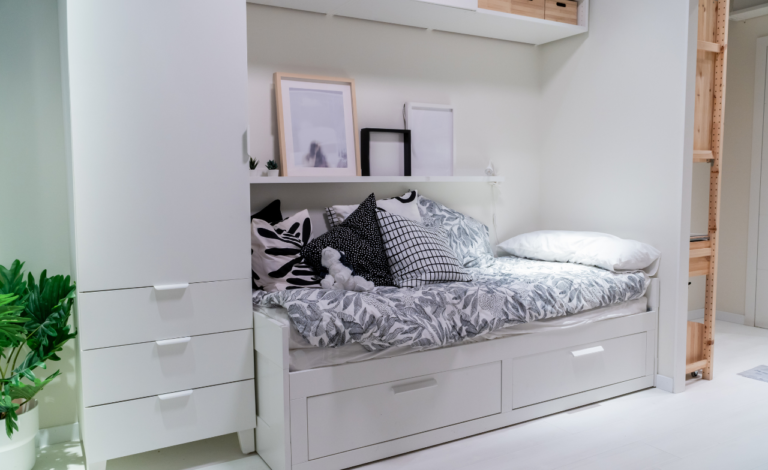
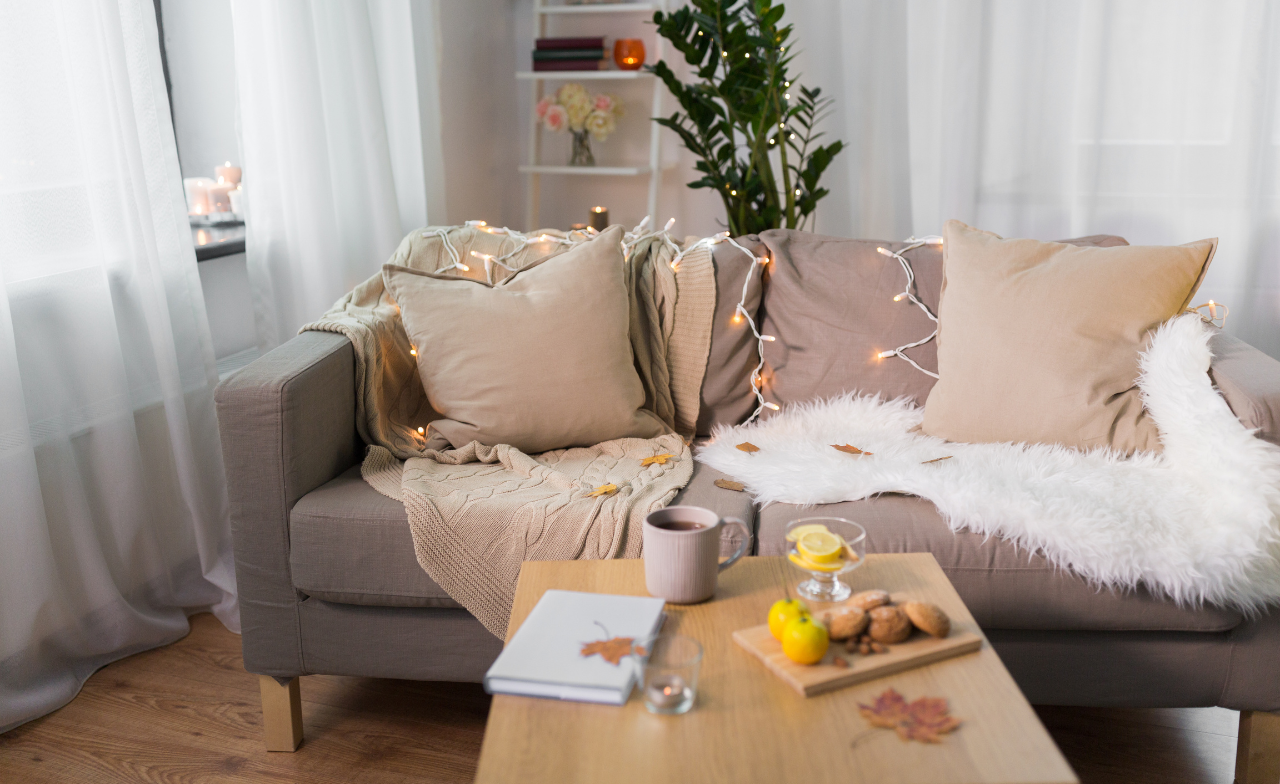
Your sofa is often the focal point of the living room, so refreshing it can have a surprisingly big impact. New furniture is expensive, but cushions and throws offer an affordable way to change the look of a familiar space.
If your existing cushions have seen better days, consider replacing just the covers rather than buying entirely new cushions. Cushion covers are often inexpensive and take up very little storage space when they are not in use.
Choose colours and textures that complement your sofa. Cream, beige, rust, olive green and warm brown can all create a welcoming atmosphere, although the best colours will depend on your existing decor.
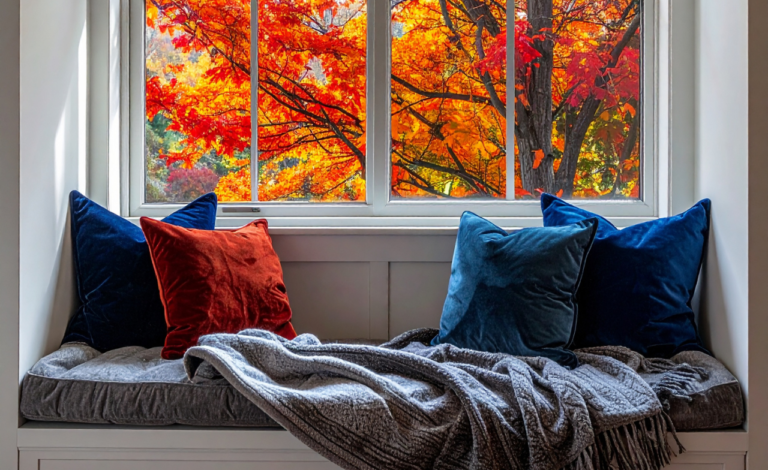
Texture is just as important as colour. Knitted blankets, soft cotton cushions, velvet covers and woven fabrics can make a room feel layered and comfortable.
You do not need to fill every available space with cushions. A few well-chosen pieces, combined with a throw draped casually over the arm of the sofa, can look more inviting than a collection of accessories that makes it difficult to sit down.
3. Rearrange Your Furniture Before Buying Anything
Sometimes, the best budget decorating idea is to move things around rather than purchase something new.
Take a fresh look at the layout of your living room. Is the furniture arranged in a way that encourages conversation? Can you reach the coffee table comfortably? Is there enough room to walk through the space without constantly moving around chairs or footstools?
If your sofa is pushed tightly against a wall, consider whether moving it slightly would improve the proportions of the room. In some spaces, angling an occasional chair towards the sofa can make the seating area feel more welcoming.
You might also find that a small table works better beside the sofa than in another part of the room. A basket currently tucked away in a corner could become a useful place to store blankets.
Experiment with different arrangements before committing to anything. It costs nothing, and you may discover that your room feels completely different without spending a penny.
4. Add a Rug to Make the Room Feel Warmer
A rug can help bring a living room together, particularly if you have hard flooring. It introduces texture, softens the appearance of the space and can make a seating area feel more defined.
You do not need an expensive designer rug to achieve this effect. Look for affordable options at homeware shops, charity shops and second-hand marketplaces. You might also find a suitable rug elsewhere in your home that could be moved into the living room.
Consider the size carefully. A rug that is too small can make the seating area look disconnected, while one that fits beneath at least the front legs of your sofa and chairs can help everything feel more cohesive.
Neutral rugs are versatile, but patterned designs can also work beautifully, especially if the rest of your room is relatively simple.
If your budget is particularly tight, do not feel that a rug is essential. Soft furnishings, lighting and a thoughtful furniture arrangement can still create a cosy atmosphere without one.
5. Shop Your Own Home for Forgotten Accessories
Before heading to the shops, spend a little time looking around your home. You may already own everything you need to refresh your living room.
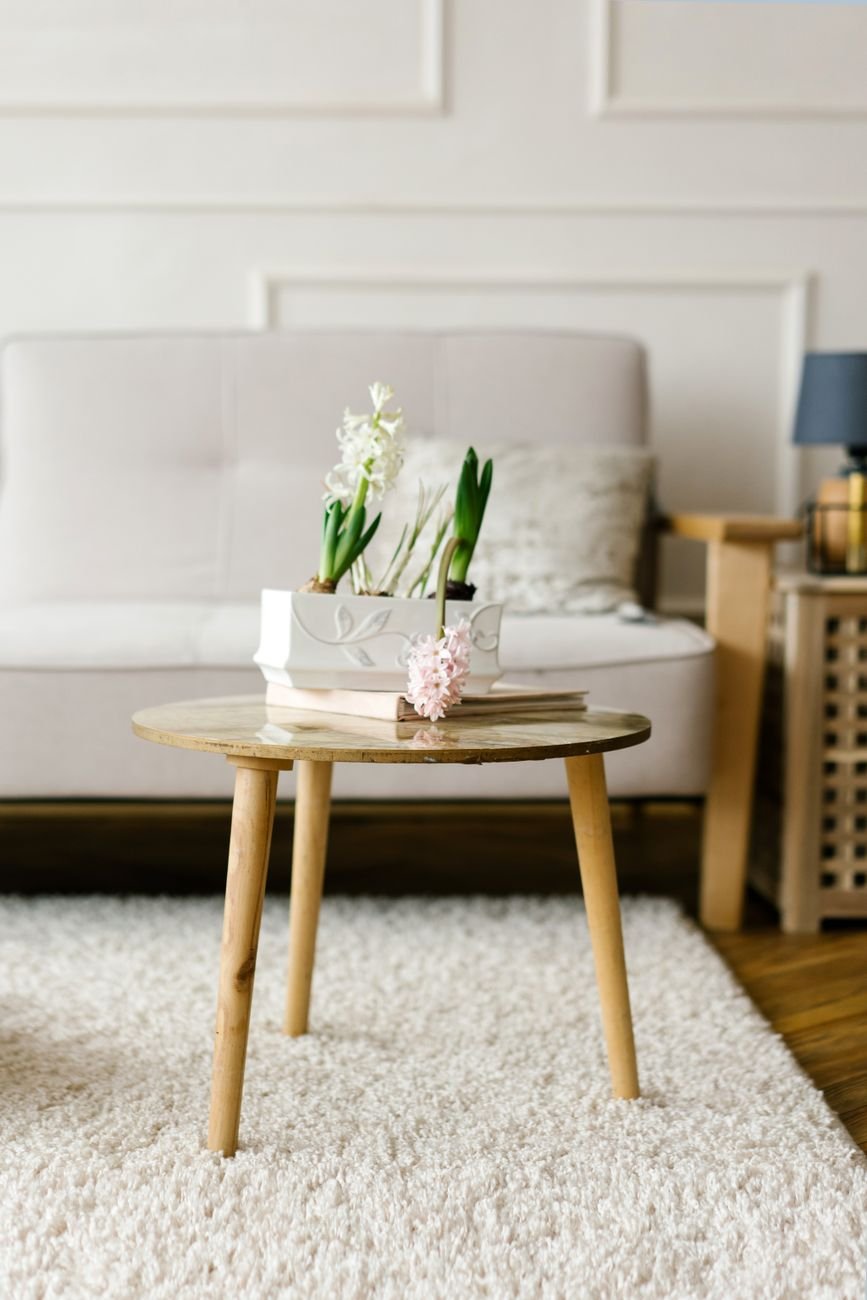
Perhaps there is a vase in the bedroom, a candle holder tucked away in a cupboard or a collection of books that would look lovely on the coffee table. A small plant on a windowsill might work better on a side table, while a framed print could be moved from the hallway.
Gather a few items together and experiment with different arrangements. Try grouping objects in odd numbers, varying their heights and leaving some space around them so the display does not look overcrowded.
You can also swap accessories between rooms as the seasons change. A blanket from the bedroom might bring a new colour into the living room, while a decorative bowl from the kitchen could make an attractive centrepiece.
Shopping your own home is a useful reminder that decorating does not always require buying something new. Sometimes, familiar belongings simply need a different setting.
6. Bring in Natural Elements
Natural materials can make a living room feel relaxed and welcoming. Wood, woven baskets, fresh flowers, branches and houseplants all introduce texture and visual interest without requiring a complete redesign.
If you already have houseplants, try grouping a few together on a windowsill or side table. A healthy plant can soften a room and bring a little life to an otherwise plain corner.
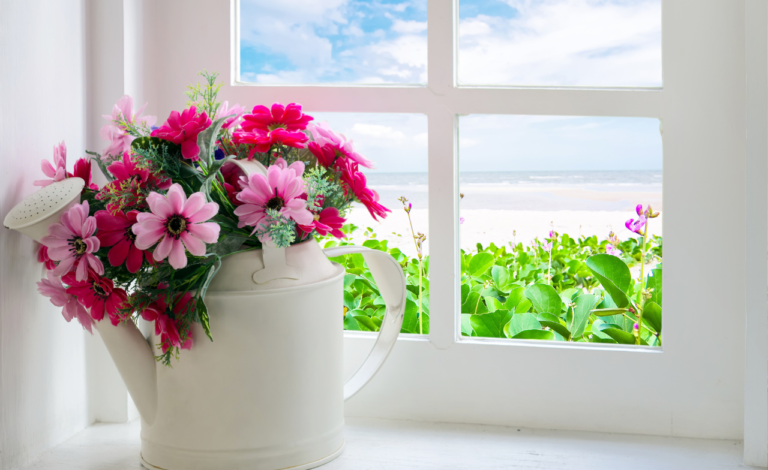
Fresh flowers are lovely, but they are not essential. You could display garden greenery, seasonal branches or a few interesting seed heads in a simple vase. Always check that anything collected outdoors is safe to bring inside and is not taken from protected areas.
Wooden accessories are another affordable option. A second-hand stool, a small wooden tray or a simple chopping board repurposed as a decorative base can introduce warmth.
Woven baskets are useful as well as attractive. They can hold blankets, magazines, children’s toys or other everyday items that might otherwise make the room feel untidy.
7. Create a Cosy Corner for Reading or Relaxing
A cosy living room does not have to be large. Even a small, overlooked corner can become a lovely place to read, listen to music or enjoy a quiet cup of tea.
Start with a chair you already own. Add a cushion, a soft throw and a nearby light if the corner needs better illumination. If you have a small table, use it to hold a book, a mug or a reading lamp.
You could also create a relaxing spot at one end of the sofa. A basket of books, a comfortable cushion and a blanket kept within reach can make that space feel like your own little retreat.
The important thing is to make the corner practical for how you actually spend your time. There is little point creating a beautiful reading nook if the lighting is too dim to read comfortably.
This is one of those cosy living room ideas on a budget that can improve how you use the room as well as how it looks.
8. Use Books as Part of Your Decor
Books bring personality into a home. They suggest interests, memories and the things you enjoy, making a living room feel lived in rather than styled solely for photographs.
If you have books scattered around the house, consider bringing a few into the living room. Arrange them on a shelf, stack two or three on a coffee table or place a small collection beside your favourite chair.
You do not need to organise them by colour unless you particularly like that look. Grouping books by subject, size or the way you use them can be just as attractive.
A stack of favourite novels beside the sofa can encourage you to spend more time reading, while cookbooks or gardening books might reflect other interests.
Be mindful of clutter, particularly if your living room is small. A few meaningful books can add character without making the room feel crowded.
9. Make Your Coffee Table Look More Inviting
Coffee tables often become a landing place for remote controls, post, mugs and miscellaneous everyday items. With a little attention, however, they can become an attractive focal point.
Start by clearing everything away and giving the surface a clean. Then choose a small number of things to display.
A tray is useful for grouping objects together and making them easier to move when you need the table for something else. You could place a candle, a small vase and a favourite book on it, for example.
If you prefer a practical coffee table, leave plenty of clear space for drinks and snacks. A beautiful arrangement is not much use if it prevents you from using the furniture comfortably.
You can also change the display throughout the year. Fresh flowers in spring, natural greenery in summer and warm-toned accessories in autumn can keep the room feeling current without requiring a new collection of decorations.
10. Give Your Living Room a Declutter
It might not sound particularly exciting, but decluttering can be one of the most effective ways to make a living room feel more comfortable.
When surfaces are covered with paperwork, toys, chargers and items that belong elsewhere, it becomes harder to appreciate the things you actually like about the room.
You do not have to embrace minimalism or get rid of belongings you love. Instead, focus on making space for the things that matter and finding practical homes for everyday necessities.
Begin with one area, such as the coffee table or the top of a sideboard. Remove anything that does not belong there, wipe the surface and return only the items you use or enjoy looking at.
Baskets can help keep remote controls, magazines and children’s toys together. A small box can hold chargers, while a designated spot near the entrance can prevent keys and post from spreading throughout the room.
A little regular maintenance will help the room remain inviting without turning tidying into a major project.
11. Introduce Colour Without Repainting
Painting a room can transform it, but it also involves time, preparation and the cost of paint and equipment. If redecorating is not within your budget, you can still introduce colour in smaller ways.
Cushion covers, throws, lampshades, artwork and vases can all bring colour into a neutral living room. You can use these details to introduce a seasonal shade or experiment with a colour you have been considering.
For a calm atmosphere, try combining a few related tones. Cream and warm brown, for instance, work well together, while muted green can introduce a natural feel. Rust, burgundy and deep ochre can create a warmer look during autumn and winter.
You do not have to replace everything to achieve a cohesive appearance. Choose one or two colours that complement what you already own, then repeat them in a few places around the room.
This creates a sense of connection without making the space look overly coordinated.
12. Find Affordable Treasures in Charity Shops
Charity shops and second-hand marketplaces can be excellent places to find inexpensive home accessories. You might discover picture frames, ceramic vases, small lamps, baskets, mirrors or interesting pieces of furniture at a fraction of their original price.
Shopping second-hand also gives your living room a more individual character. Rather than buying everything from the same homeware collection, you can gradually build a space filled with objects that appeal to you.
Try to shop with a rough idea of what you need. If you are looking for a table lamp, for example, consider its size, the available space and whether you already have a suitable shade.
Check second-hand items carefully before bringing them home. Electrical items should be in safe working condition, and upholstered furniture needs particular attention for cleanliness and signs of pests.
It is also worth being patient. You might not find exactly what you want on your first visit, but that is part of the appeal of second-hand shopping.
13. Make the Most of Curtains and Soft Furnishings
Curtains can influence how warm and comfortable a living room feels. They frame the windows, soften hard edges and introduce colour or pattern.
If you already have curtains you like, make sure they hang neatly and are kept clean. Sometimes, simply rehanging them properly can improve the overall appearance of the room.
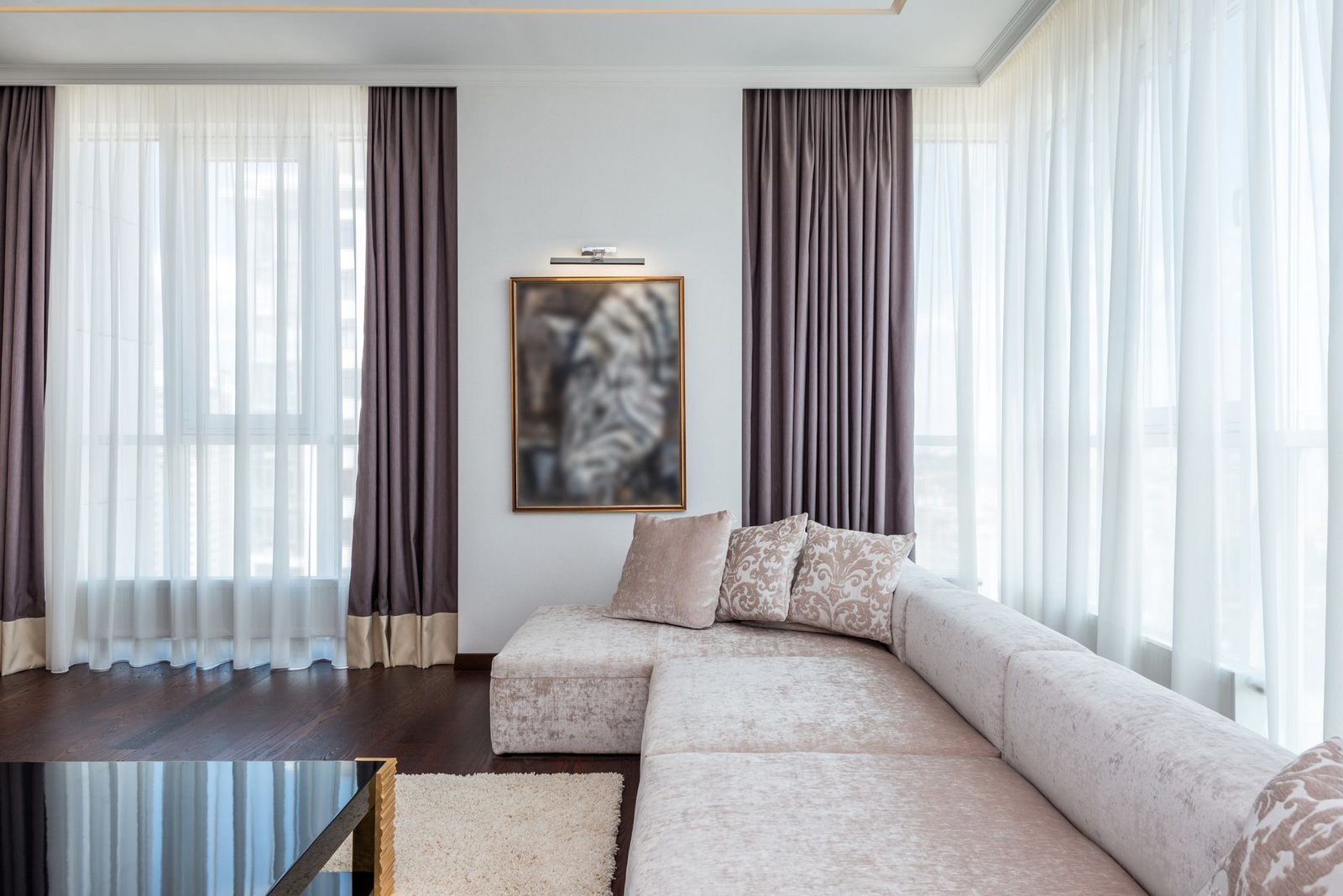
If you need a change, look for affordable ready-made curtains or consider second-hand options. Measure your windows carefully before buying to avoid unnecessary expense.
During colder weather, closing curtains after dark can help reduce heat loss through windows, particularly if they are lined and fitted appropriately. Keep curtains away from radiators and other heat sources, and make sure they do not cover heaters in ways that interfere with safe operation.
Other soft furnishings can make a difference too. A fabric-covered footstool, a knitted throw or a cushion with an interesting texture adds comfort without requiring major changes.
14. Create a Cosy Evening Routine
A welcoming living room is about more than how it looks. It is also about how it feels when you spend time there.
Creating a simple evening routine can help you enjoy the space you already have. As the day winds down, switch off harsh overhead lighting, turn on a lamp and put away anything that has accumulated during the day.
Make yourself a warm drink, bring a blanket to the sofa and choose something enjoyable to do. You might read a few chapters of a book, listen to music, work on a hobby or watch a favourite film.
If you enjoy home fragrance, you could use a candle or another suitable product according to its safety instructions. Never leave a burning candle unattended, and take particular care around children and pets.
You could also keep a small basket beside the sofa with the things you regularly use in the evening, such as a book, reading glasses and a pair of cosy socks.
These small rituals cost very little, but they can help turn an ordinary evening at home into something you genuinely look forward to.
15. Decorate with the Seasons Using What You Already Own
Seasonal decorating is an enjoyable way to refresh your living room, but you do not need to buy a new collection of accessories every few months.
Instead, work with what you have and make a few small changes as the seasons shift.
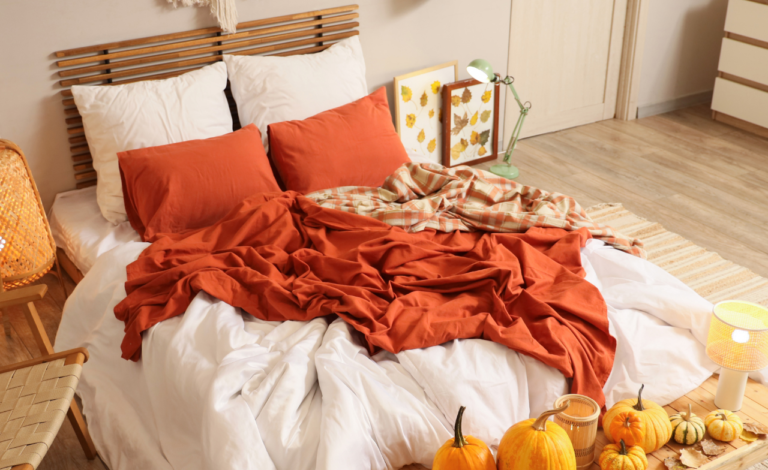
In spring, you might introduce fresh flowers, lighter cushion covers and a little more colour. During summer, natural textures and open windows can help the room feel fresh. Autumn is a lovely time to bring out warm-toned blankets, candles and earthy colours, while winter invites softer lighting and comfortable layers.
You can also use seasonal finds from nature, provided they are safe and appropriate for your home. A simple vase of branches, for example, can create an attractive display without costing anything.
Store seasonal accessories carefully so you can reuse them the following year. Keeping them in one labelled box will make it easier to find what you need without buying replacements.
The aim is not to make your home look completely different every season. It is to make small adjustments that reflect the time of year and help you enjoy your surroundings.
How to Make Your Living Room Cosy When You Have Almost No Budget
If money is particularly tight, you can still make your living room feel warmer and more inviting. Start with the changes that cost nothing before deciding whether you need to buy anything.
Move your furniture into a more comfortable arrangement, clear unnecessary clutter and bring together accessories you already own. Wash your cushion covers and throws, dust the shelves and clean the windows to make the room feel fresher.
Then focus on the atmosphere. Use lamps instead of relying entirely on the main light, keep a favourite blanket within reach and create a small space for something you enjoy, whether that is reading, knitting or listening to music.
If you have a little money to spend, choose one item that will make the biggest difference. That might be a warm-toned lamp, a second-hand side table, a cushion cover or a basket for storage.
It is easy to feel that a room needs to be completely redecorated before it can look good. In reality, a comfortable and welcoming home is usually the result of many small decisions rather than one expensive purchase.
Final Thoughts on Cosy Living Room Ideas on a Budget
Creating a cosy living room does not have to involve expensive furniture, designer accessories or a complete makeover. Often, the most effective changes are the simplest ones.
Warm lighting, comfortable textiles, a thoughtful furniture arrangement and a few personal touches can make a room feel much more inviting. Shopping your own home, visiting charity shops and making use of seasonal decorations can also help you achieve a fresh look while keeping spending under control.
Most importantly, remember that your living room is there to be enjoyed. It does not need to look perfect or resemble a picture in a home magazine. It needs to work for you and the people who share your home.
Start with one small change this week. Rearrange a chair, bring out a favourite blanket or clear the coffee table and create a simple display. You might be surprised by how much difference a little attention can make.