How to Create a Cosy Reading Nook at Home
There are few things better than settling down with a good book, a warm drink and absolutely nowhere else you need to be. Whether you enjoy getting lost in a novel on a rainy afternoon or spending half an hour reading before bed, having a comfortable place to do it can make the experience even more enjoyable.
The good news is that you do not need a large house, a spare room or an elaborate home makeover to create a cosy reading nook. A quiet corner, somewhere comfortable to sit and a little thought about lighting and storage can be enough.
A reading nook can be as simple as an armchair beside a window or as carefully arranged as a small library filled with bookshelves, cushions and blankets. What matters most is creating a space that makes you want to put your phone down, open a book and spend a little time doing something you enjoy.
If you have been looking for cosy reading nook ideas, here are some practical ways to create your own reading corner at home, whatever your budget or the amount of space you have available.
1. Find the Right Spot in Your Home
The first step is deciding where your reading nook should go.
You might immediately picture a comfortable chair beside a large window, but there are plenty of other possibilities. An unused corner of the living room, a quiet area in your bedroom or even a space beneath the stairs could work well.
Start by looking at the areas of your home that you do not use very often. Is there a corner currently occupied by miscellaneous storage? Could part of a bedroom be rearranged to make room for a chair? Is there a window where you would enjoy sitting with a book during the day?
Natural light is a useful consideration, particularly if you enjoy reading in the morning or afternoon. A spot near a window can provide good light and a pleasant view, although it is worth considering draughts and direct sunlight too.
If your home is busy, you might prefer a corner away from the television or the main route through the living room. You do not necessarily need complete silence, but finding somewhere that feels slightly separate from everyday distractions can help you settle into a book.
Do not worry if you cannot find a perfect location straight away. A reading nook does not need to be a permanent, separate area. Even a comfortable chair that you use specifically for reading can create the feeling of having your own little retreat.
2. Choose a Comfortable Place to Sit
The seating is probably the most important part of your reading nook. After all, you want somewhere you can comfortably spend more than a few minutes.
An armchair is a classic choice because it provides a defined place to sit and can make an otherwise empty corner feel intentional. Look for one with enough room to settle into without being so large that it overwhelms the space.
If you already have a comfortable chair at home, there is no need to buy another one. Moving an existing chair beside a window or into a quieter corner may be all you need.
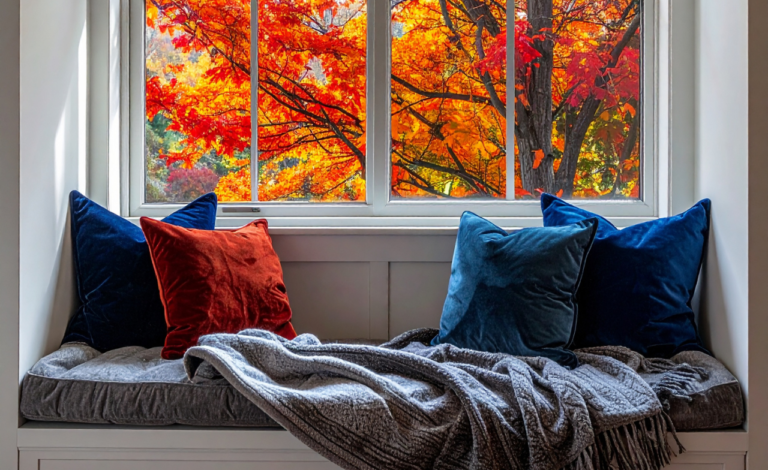
A small sofa can work well if you have more room, particularly if you enjoy stretching out while you read. In a bedroom, a window seat or upholstered bench may provide a similar effect.
For a more relaxed arrangement, you could use floor cushions, a large beanbag or a thick padded mat. This can be an affordable option for a small room, although you will want to make sure the seating offers enough support for longer reading sessions.
Think about how you naturally like to read. If you enjoy sitting upright with a hardback book, a supportive chair may be best. If you prefer curling up with a paperback, a deeper seat with a soft cushion might suit you better.
Comfort is more important than appearances. Your reading nook should be somewhere you genuinely enjoy spending time, not simply a corner that looks attractive in photographs.
3. Add Soft Cushions and a Cosy Blanket
Once you have chosen your seating, a few soft furnishings can make the space feel much more inviting.
A cushion can provide extra support for your back, while a blanket is useful when you want to settle down with a book on a chilly evening. These small additions also help distinguish your reading corner from the rest of the room.
Think about the atmosphere you want to create. Neutral cushions in cream, beige or soft grey can give the nook a relaxed appearance, while deeper shades such as forest green, burgundy or rust can introduce a little more warmth.
Texture is just as important as colour. A knitted throw, a soft velvet cushion or a woven blanket can add interest without making the space feel overly decorated.
You do not need to buy a matching set. Using things you already own is often the easiest way to create a comfortable reading nook on a budget.
If you have a favourite blanket that usually lives on the sofa, try keeping it with your reading chair instead. The small ritual of fetching your blanket and settling into your favourite spot can become part of the pleasure of reading.
4. Get the Lighting Right
Good lighting is essential if you want your reading nook to be practical as well as cosy.
A spot beside a window is ideal during daylight hours, but you will need a reliable light source if you enjoy reading in the evening.
A floor lamp beside an armchair is a particularly useful option. It provides light without taking up much additional surface space, and many designs can be positioned to direct light towards your book.
A table lamp can work just as well if you have a small side table nearby. Choose a lamp that provides sufficient illumination without producing harsh glare.
If your reading nook is in a bedroom or another small space, a wall-mounted reading light may be worth considering. This can free up space for books, drinks and other essentials.
Warm white lighting can help create a relaxing atmosphere, but make sure the light is bright enough for comfortable reading. A lamp that looks lovely but leaves the pages too dim will quickly become frustrating.
Natural light should also be considered when choosing your location. Avoid positioning your chair where direct sunlight creates glare on the page, and think about whether you will need curtains or blinds to control the light at certain times of day.
The ideal arrangement allows you to enjoy your reading nook throughout the day and into the evening without having to rearrange everything whenever the light changes.
5. Keep Your Favourite Books Close By
One of the nicest things about creating a reading nook is having a place for the books you are currently reading or looking forward to starting.
You do not need a full wall of bookshelves. A small bookcase, a floating shelf or a basket beside your chair can be enough.
If you have a large collection, consider keeping your most-used books near your reading spot and storing the rest elsewhere. This prevents the area from becoming overcrowded while ensuring your current reads are easy to reach.
A small stack of books on a side table can also look attractive, particularly if you enjoy displaying your latest reads. Just make sure there is still room for a cup of tea or anything else you like to have nearby.
You could organise the books by genre, colour or reading priority. Alternatively, keep things simple and arrange them according to what you are most likely to pick up next.
If you use an e-reader, make a dedicated place for it too. A charging cable kept nearby can be useful, although it is best to avoid letting wires become tangled around the seating area.
Your reading nook should make it easier to enjoy books, not create another space that needs constant organising.
6. Make Room for a Cup of Tea or Coffee
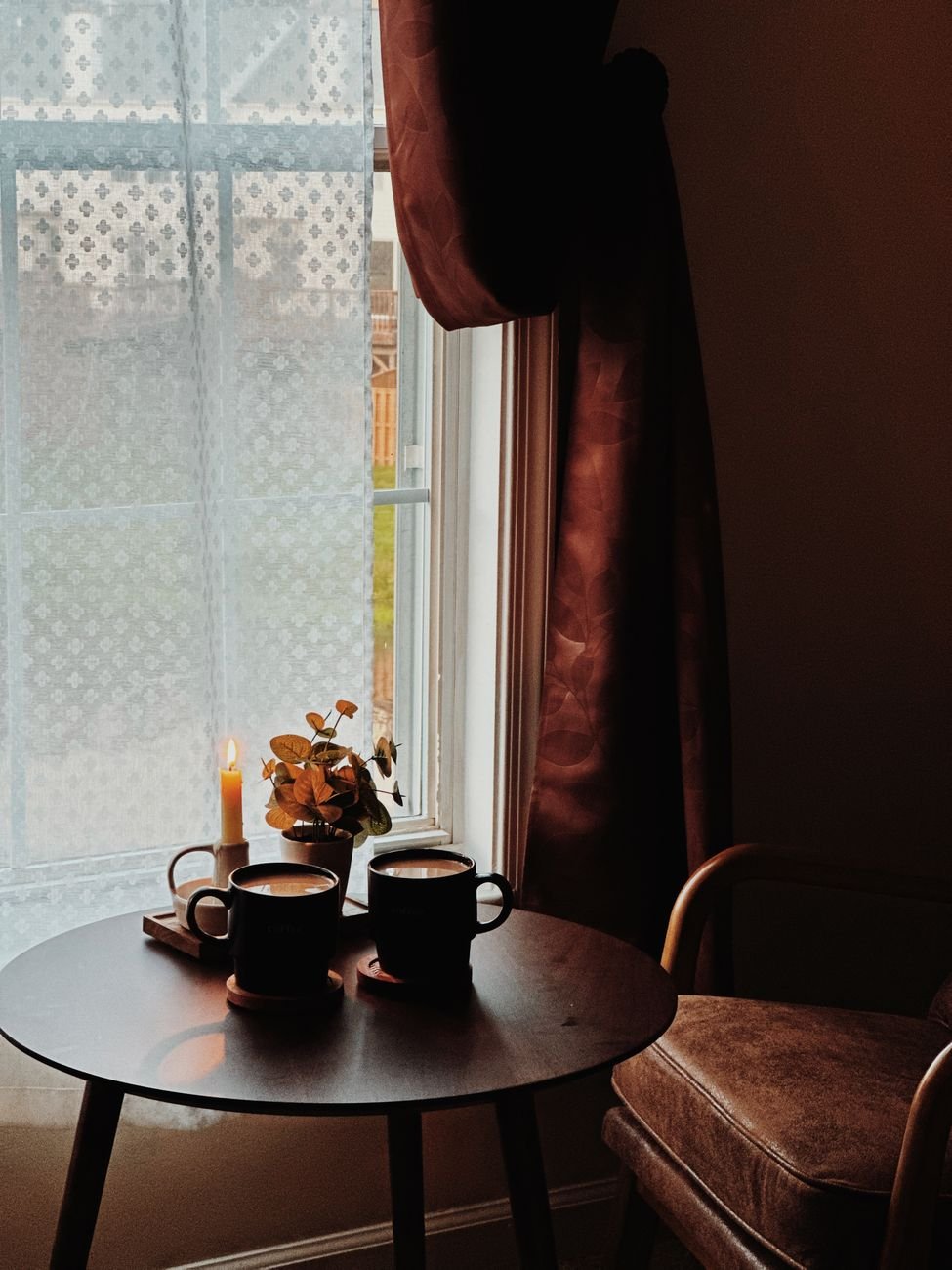
For many people, reading is even more enjoyable with a favourite drink nearby.
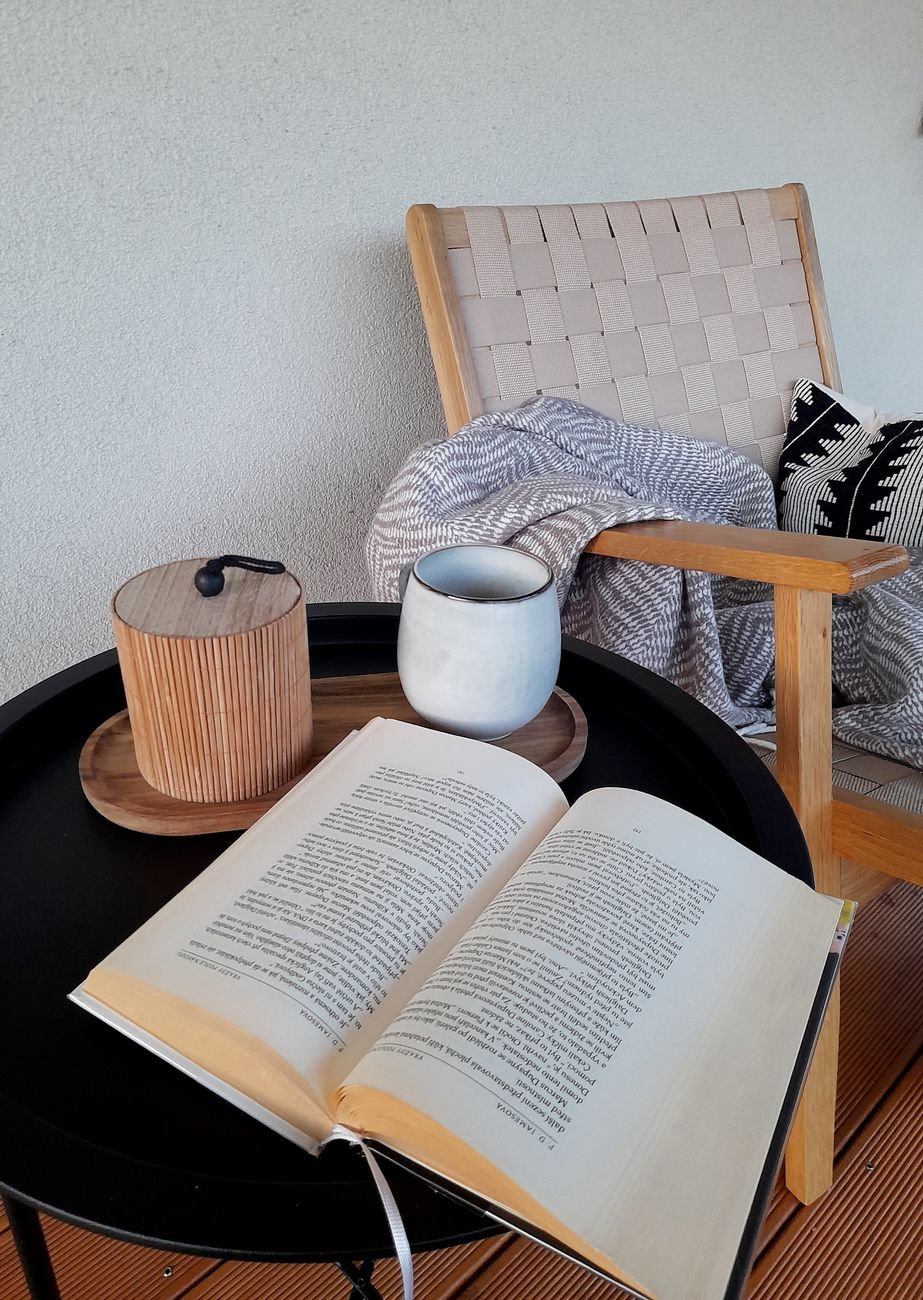
A small side table is a practical addition because it provides somewhere to put your mug, a glass of water, your glasses or a notebook. It also gives the reading nook a more complete appearance.
You do not need to purchase a matching table. A compact wooden stool, a small occasional table or a piece of furniture you already own can serve the same purpose.
If your space is particularly limited, consider a narrow table that fits beside the chair without obstructing the walkway.
Think about the height of the table in relation to your seating. Ideally, you should be able to reach your drink comfortably without leaning awkwardly or having to get up every time you want to take a sip.
If you have pets or young children, choose an arrangement that is stable and unlikely to be knocked over easily.
The point is not to turn your reading nook into a fully equipped coffee station. It is simply to make the experience a little more comfortable so that you can settle down with everything you need.
7. Use Colour and Decor to Create the Right Atmosphere
Your reading nook should feel like a natural part of your home, but you can use a few decorative details to give it its own character.
If you enjoy a cosy, traditional look, consider warm wood, soft fabrics, framed prints and a small table lamp. For a lighter, more contemporary space, pale colours, simple furniture and natural textures may work better.
You could hang a favourite piece of artwork above the chair, display a framed quotation from a book you love or place a small plant on a nearby shelf.
A rug can help define the reading area, particularly if the chair is positioned in a larger living room. It creates a visual boundary and makes the corner feel like a deliberate space rather than furniture that has simply been moved out of the way.
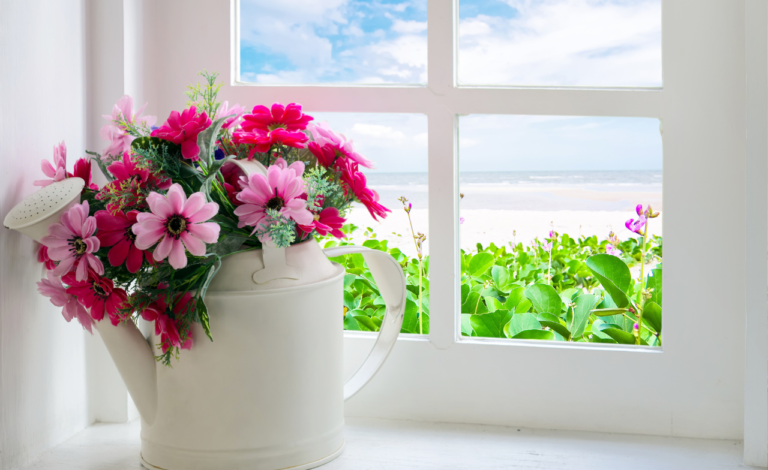
Plants and flowers can introduce a natural touch, provided the area receives suitable light. If you would rather avoid looking after a plant, a small vase of dried flowers can provide a similar decorative effect.
Try not to fill every available surface. A reading nook should feel restful, and too many ornaments can make it seem busy.
Choose a handful of things that make you happy and allow the rest of the space to remain simple.
8. Create a Reading Nook in a Small Space
You do not need a spare room to enjoy a dedicated reading corner. In fact, some of the most appealing reading nooks are created in spaces that might otherwise go unused.
If you live in a flat or have a small bedroom, look for areas where furniture can serve more than one purpose.
A comfortable chair in the corner of your living room may be enough. You could add a small wall shelf for books and a floor lamp to provide evening light.
A bedroom corner can work equally well, particularly if you want somewhere quiet to read before going to sleep. A compact chair or a cushioned bench may fit where a larger armchair would not.
If floor space is limited, use the walls for storage. Floating shelves can hold a few books without taking up valuable room, while a narrow side table may provide enough space for a drink and a lamp.
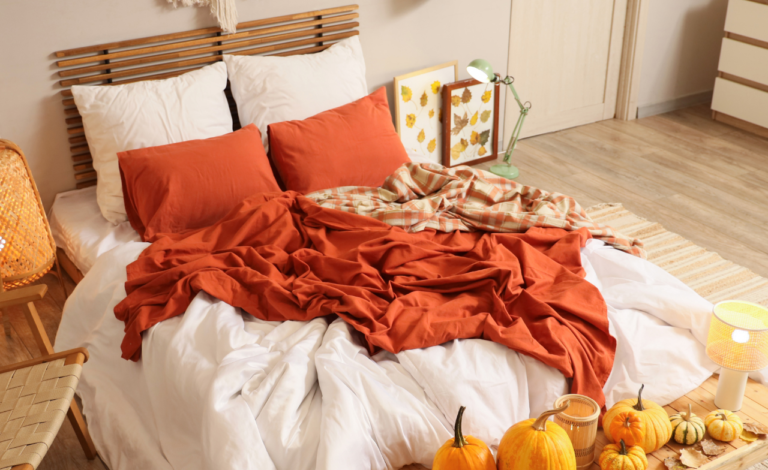
You could also create a temporary reading nook using cushions and a blanket on a sofa or bed. This is a good option if you do not want to rearrange your furniture permanently.
The most important thing is to work with the space you have. A small, comfortable corner that you use regularly is much more valuable than an elaborate reading room that is impractical for your home.
9. Make Your Reading Nook Affordable
Creating a cosy reading nook can be surprisingly inexpensive, particularly if you begin with things you already own.
Before shopping for furniture and accessories, look around your home. Could you move a chair from another room? Do you have a spare blanket, a cushion or a lamp that would work in the space?
Second-hand furniture can also be a good option. Charity shops, local selling groups and second-hand marketplaces may have suitable chairs, small tables or bookshelves at reasonable prices. Always check the condition and dimensions before purchasing.
You can refresh an existing chair with a cushion or throw rather than replacing it. A simple basket can provide book storage, and a small shelf may be all you need to keep your current reads close at hand.
If you do want to buy something new, prioritise the things that will have the biggest practical impact. Comfortable seating and suitable lighting are more important than decorative accessories.
It is also worth taking your time. You do not need to complete the entire nook in one weekend. Start with the chair, then add a lamp and a blanket when you find the right options.
Gradually putting the space together can be more enjoyable than buying everything at once, and it allows you to work out what you genuinely need.
10. Turn Your Reading Nook into a Daily Ritual
Once your reading nook is ready, the next step is making time to use it.
You do not need to read for hours every day to enjoy the benefits of having a dedicated space. Even ten or fifteen minutes with a book can provide a welcome break from the usual demands of everyday life.
You might use your reading nook first thing in the morning, during a quiet afternoon or as part of your evening routine. If you enjoy reading before bed, having a comfortable chair and good lighting can make it easier to put your phone aside and focus on a book instead.
Keep your current read within easy reach so that getting started requires very little effort. You could also keep a bookmark, reading journal or pencil nearby if you enjoy making notes.
Try not to turn reading into another task on an already crowded to-do list. Some days you might read several chapters, while on others you may only manage a few pages. Both are perfectly fine.
The purpose of a reading nook is to give you a place where reading feels enjoyable and accessible, rather than something you only do when you have an entire afternoon free.
Final Thoughts
A cosy reading nook does not have to be elaborate, expensive or perfectly styled. It simply needs to be a comfortable place where you can enjoy a book and take a little time for yourself.
Start by finding a suitable corner, choosing somewhere comfortable to sit and making sure you have enough light. From there, you can add soft furnishings, book storage and personal touches that make the space feel like your own.
Whether you have a dedicated room for reading or only a small corner beside the sofa, there are plenty of ways to create a reading nook that works for your home.
And perhaps the loveliest part is that you do not need to wait until everything is finished before enjoying it. Find a comfortable seat, pick up a book you have been meaning to read and make yourself a cup of tea. Your cosy reading corner can begin with something as simple as that.