How to Make Your Home Smell Beautiful All Day
There is something wonderful about walking through the front door and being greeted by a lovely smell. Perhaps it is the gentle fragrance of fresh flowers, the scent of clean bedding, a favourite candle or something delicious baking in the oven. These little details can make a home feel more welcoming and add to the pleasure of spending time there.
A beautiful-smelling home does not need to be filled with expensive diffusers or luxury candles, either. While home fragrance products can be lovely, the secret to keeping your home smelling fresh is often a combination of simple cleaning habits, good ventilation and a few carefully chosen scents.
If you have ever wondered how to make your home smell beautiful throughout the day, there are plenty of easy ideas to try. From freshening up soft furnishings to creating a signature scent for your living room, small changes can make a noticeable difference.
Here are some practical ways to create a home that smells fresh, comfortable and inviting, without spending a fortune.
1. Start with a Clean and Fresh Home
Before introducing fragrances, it is worth dealing with the everyday sources of unwanted smells. A candle might temporarily disguise an unpleasant odour, but it will not solve the underlying problem.
Start by identifying the places where smells tend to linger. The kitchen, bathroom, bins, pet areas and soft furnishings are common culprits.
Kitchen bins should be emptied regularly, particularly after disposing of food scraps. Wash the bin itself occasionally and allow it to dry before replacing the liner. If you use a food waste caddy, clean it according to the manufacturer’s instructions.
In the kitchen, wipe down worktops after preparing meals and clean any spills promptly. Pay attention to the area around the hob, where cooking residue can accumulate over time.
Bathrooms benefit from regular cleaning and good ventilation. Damp towels, wet bath mats and areas that remain moist for long periods can develop unpleasant smells, so allow fabrics to dry properly and investigate persistent musty odours rather than simply covering them with fragrance.
It is also worth washing items that are often overlooked, such as cushion covers, washable throws, pet bedding and reusable cleaning cloths.
You do not have to deep-clean the entire house every day. A few consistent habits will help prevent smells from building up and provide a much better starting point for adding fragrance.
2. Open the Windows and Let Fresh Air In
One of the simplest ways to make your house smell nice is to introduce fresh air whenever conditions allow.
Even during autumn and winter, opening a window briefly can help reduce stale air and allow cooking smells to escape. The amount of ventilation you need will depend on the weather, your home and whether you have mechanical ventilation.
After cooking, open a suitable window or use an extractor fan to help remove lingering odours. In the bathroom, ventilation can help manage moisture and prevent damp smells from developing.
If your home feels stuffy after a long day, a little fresh air may make more difference than lighting another scented candle.
Try making ventilation part of your daily routine. You could open the bedroom windows while making the bed, air the living room after breakfast or ventilate the kitchen after preparing dinner.
Of course, use common sense in very cold, wet or polluted conditions, and keep your home secure. If you live near a busy road or have allergies, you may prefer to ventilate at quieter times.
Fresh air is not a fragrance in itself, but it helps create a clean-smelling environment in which your favourite scents can be enjoyed without competing with stale air.
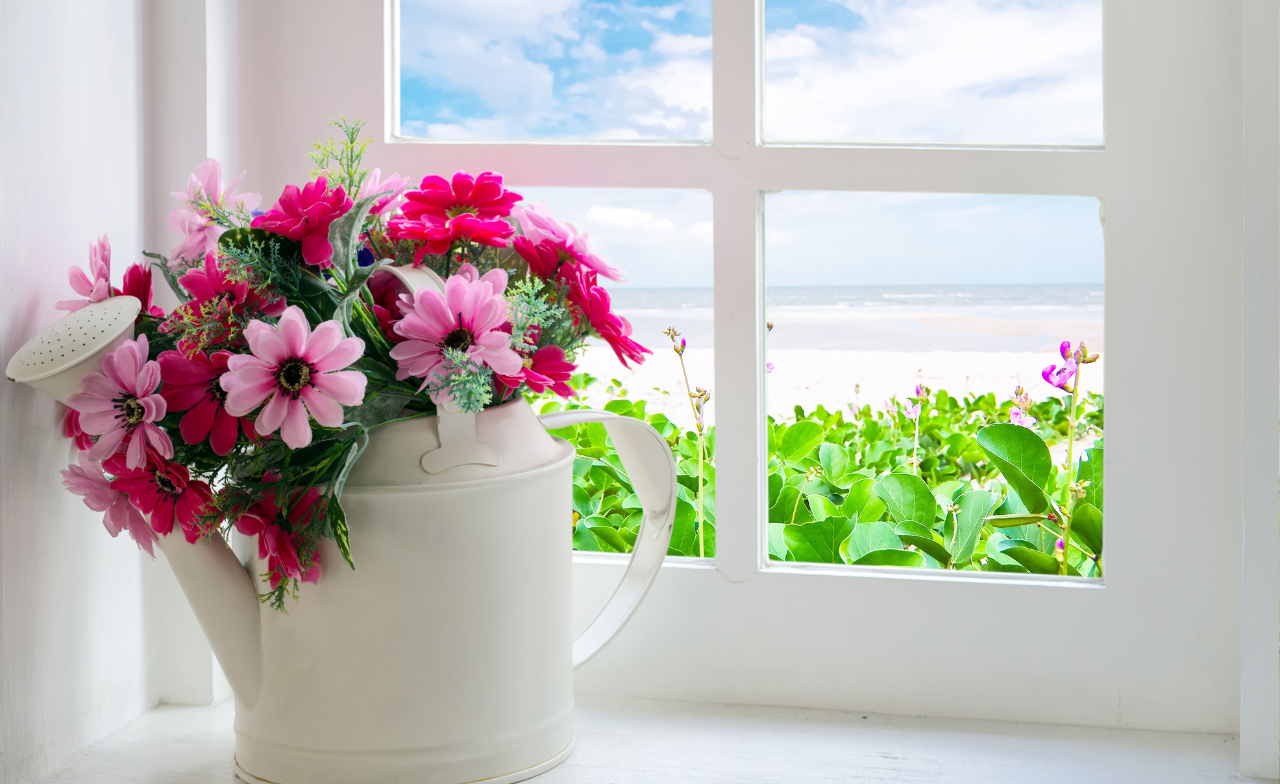
3. Make the Most of Fresh Flowers
Fresh flowers are one of the prettiest ways to bring fragrance into your home. They add colour and interest while making a room feel a little more special.
Some flowers have a noticeable natural scent, while others are chosen mainly for their appearance. Roses, freesias, hyacinths and certain varieties of lilies can be fragrant, although the strength of the scent varies.
You do not need an elaborate bouquet. A small bunch of flowers on the kitchen table, a few stems in the hallway or a simple arrangement beside the bed can be enough.
If you are buying flowers, consider where you plan to put them. A scented arrangement near the entrance may be a lovely way to welcome visitors, while a lighter fragrance may be preferable in the bedroom.
Remember that some flowers, including lilies, are extremely dangerous to cats. If you have pets, check the safety of any flowers before bringing them into your home and choose suitable alternatives where necessary.
To keep flowers fresh for longer, follow the care instructions, use a clean vase and change the water regularly.
If fresh flowers are outside your budget, do not worry. A few leafy branches, a suitable houseplant or even a bowl of seasonal fruit can make a room feel fresh without relying on fragrance.
4. Choose a Home Fragrance You Genuinely Love
There are so many home fragrance products available that it can be tempting to buy a different scent for every room. However, a simpler approach may be more enjoyable and affordable.
Think about the fragrances you naturally gravitate towards. Do you prefer fresh citrus, soft florals, clean linen scents, warm vanilla or woody fragrances?
Different scents can create different impressions. Citrus fragrances often feel bright and fresh, floral scents can feel delicate, while woody and spicy fragrances may be particularly appealing during colder months.
You might choose a light fragrance for the hallway, something fresh for the bathroom and a warmer scent for the living room during autumn and winter.
However, you do not need to create a complicated fragrance scheme. One or two scents that you enjoy may be enough for your whole home.
If possible, try a fragrance before buying a large bottle or expensive candle. A scent that seems lovely in a shop may feel overpowering in a small room.
Be mindful of other people in your household, too. Strong fragrances can trigger discomfort or irritation for some people, and they may not be suitable around every pet.
A beautiful-smelling home should feel pleasant to everyone who lives there, not overwhelming.
5. Use Candles to Create a Cosy Atmosphere
Scented candles are popular for a reason. They combine fragrance with the gentle glow of a flame, making them particularly appealing when you want to create a cosy atmosphere.
A candle can be lovely on a coffee table during a quiet evening, beside a bath while you unwind or on a dining table during a relaxed meal.
The key is to choose a scent that suits the room and the occasion. Fresh, light fragrances may work well throughout the year, while vanilla, cinnamon, amber and woody scents can feel particularly comforting in autumn and winter.
You do not need to burn a candle all day to enjoy its fragrance. Lighting one for a short period while you relax may be enough, depending on the product and the size of the room.
Always follow the manufacturer’s instructions. Keep candles on a stable, heat-resistant surface, away from curtains, books, dried flowers and other flammable objects. Never leave a burning candle unattended, and extinguish it before leaving the room or going to sleep.
If you have children or pets, consider whether an open flame is appropriate for your home. An alternative such as an unscented LED candle can provide a similar visual effect without a flame.
Candles are best treated as an occasional pleasure rather than the solution to every unwanted household smell.

6. Try Reed Diffusers for a Consistent Fragrance
If you want a more continuous fragrance without having to light anything, a reed diffuser may be worth considering.
Reed diffusers typically use fragrance liquid drawn up through reeds, releasing scent gradually into the surrounding air. They can be particularly useful in rooms where you want a subtle fragrance throughout the day.
A diffuser in the hallway can provide a pleasant first impression when you arrive home. In the living room, it may add a gentle background scent, while a suitable fragrance in the bathroom can make the space feel fresh.
Choose the size and strength of the diffuser according to the room. A large, strongly scented product in a small hallway may be overwhelming, while a very subtle diffuser may not be noticeable in a larger space.
You can adjust the fragrance in some products by changing the number of reeds used, although you should follow the manufacturer’s guidance.
Place diffusers on stable surfaces where they cannot easily be knocked over. Keep the liquid away from children and pets, and follow all safety advice on the packaging.
It is also worth remembering that more fragrance does not necessarily mean a better-smelling home. A subtle scent is often more pleasant than one that becomes noticeable the moment you enter a room.
7. Make Your Kitchen Smell Wonderful Naturally
The kitchen is often the source of the strongest smells in a home, but it can also be one of the loveliest places for natural fragrance.
Baking is an obvious example. Apple crumble, cinnamon biscuits, ginger cake and freshly baked bread can fill the kitchen with delicious aromas.
You do not have to spend hours making something complicated. A simple tray of biscuits or a loaf cake can provide a weekend activity as well as a lovely smell.
Coffee lovers may also enjoy the aroma of freshly brewed coffee in the morning. Brewing a pot of tea or preparing a favourite breakfast can make an ordinary morning feel more inviting.
If you enjoy cooking with herbs, fresh rosemary, basil and mint can add a pleasant natural scent to your kitchen. Keep herbs in suitable conditions and use them in meals where possible.
You might also try making a simple simmer pot with water and suitable ingredients such as citrus peel and cinnamon sticks. Heat the ingredients gently in a saucepan, remain in the kitchen while it is heating, keep the liquid from boiling dry and never leave the hob unattended. Do not add essential oils to a simmer pot, and avoid using ingredients that could be unsafe for children or pets.

A simmer pot is an optional seasonal treat rather than a substitute for ventilation. If you are cooking something with a strong smell, an extractor fan and an open window where appropriate will usually be more effective.
8. Keep Soft Furnishings Fresh
Soft furnishings can absorb smells over time, particularly in rooms where you spend a lot of time.
Curtains, cushions, blankets, rugs and upholstered furniture may gradually hold on to cooking smells, pet odours and everyday household scents.
Regular care can help keep these items fresh. Wash removable cushion covers and throws according to their care labels, vacuum upholstery and rugs, and clean curtains when needed.
If you have pets, wash their bedding regularly and vacuum areas where fur accumulates.
Mattresses can also benefit from routine care. Follow the manufacturer’s instructions, change bedding regularly and allow the bed to air when practical. Avoid saturating a mattress with water or cleaning products, as excess moisture can cause problems.
If you notice a persistent smell in an upholstered item, try to identify the source rather than immediately covering it with a fragrance spray.
Fabric sprays may be useful for some materials, but always check the label, test an inconspicuous area first and use products only as directed.
Keeping fabrics clean is one of the most effective ways to maintain a fresh-smelling home, even if it is less glamorous than choosing a new candle.
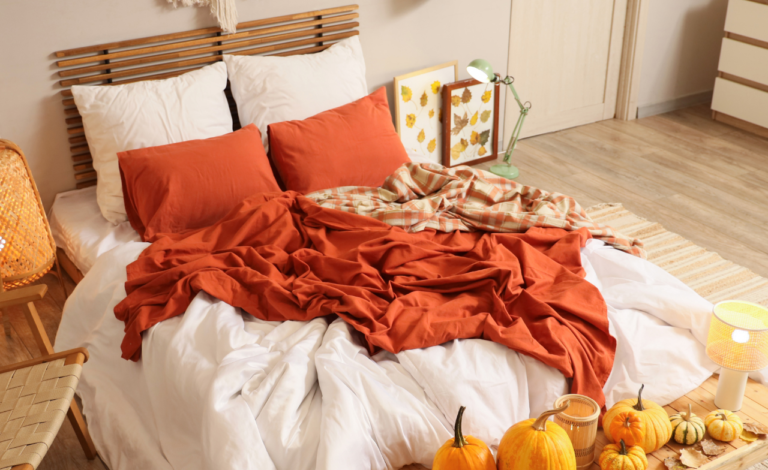
9. Make Your Bedroom Smell Fresh and Relaxing
The bedroom is a particularly good place to focus on freshness because it is where you begin and end each day.
Clean bedding makes a considerable difference. Change your sheets regularly, wash pillowcases and allow bedding to dry thoroughly before making the bed.
If you enjoy fragrance in the bedroom, choose something subtle. A light floral, fresh linen fragrance or gentle woody scent may be more comfortable than a strong, sweet fragrance.
You might prefer to avoid scented products altogether while sleeping, especially if they irritate your airways or affect your comfort.
Fresh air can also help. Open the curtains in the morning and ventilate the room when conditions allow.
Keep laundry from accumulating in the bedroom, particularly damp towels or clothes that have not dried properly. If you use a laundry basket, choose one that is easy to empty and clean.
A clean, fresh-smelling bedroom does not need lots of fragrance products. Fresh sheets, good ventilation and a tidy space can create a pleasant atmosphere all by themselves.
10. Do Not Forget the Hallway
Your hallway is the first part of your home that you and your visitors encounter, yet it is easy to overlook when thinking about home fragrance.
Shoes, damp coats, bags and muddy footwear can all contribute to unwanted smells, particularly during the wetter months.
Start by keeping the entrance as clean and organised as possible. Remove muddy shoes, allow wet coats to dry properly and empty any rubbish that may have accumulated near the door.
If you have a shoe cupboard, make sure it is ventilated appropriately and cleaned regularly. Avoid placing strongly scented products inside to cover up persistent odours.
Once the area is fresh, a subtle fragrance can be a pleasant finishing touch. A small reed diffuser or a vase of fragrant flowers may work well, depending on the space.
If your hallway is narrow, avoid placing fragrance products where they might be knocked over as people pass.
A welcoming entrance does not need to smell strongly of perfume. It should simply feel clean and pleasant when you walk through the door.
11. Use Seasonal Scents to Make Home Feel Special
One of the enjoyable things about home fragrance is the opportunity to change it with the seasons.
In spring and summer, you might prefer citrus, fresh linen or light floral fragrances. During autumn, warmer scents such as apple, cinnamon and vanilla can feel particularly inviting. In winter, you may enjoy woody fragrances or subtle seasonal blends.
You can introduce these scents through candles, diffusers, flowers or the food you prepare.
For autumn, baking an apple cake or enjoying a cinnamon-flavoured drink can create a seasonal atmosphere without purchasing any special decorations.
At Christmas, fresh greenery and a favourite festive candle may provide the fragrance you associate with the season. If you bring natural foliage indoors, keep it away from flames and heat sources.
You do not need to change every product in your home whenever the weather changes. One seasonal candle or a small arrangement of fresh flowers can be enough.
This is also a good way to avoid accumulating lots of fragrance products. Use what you already have, and only buy something new if it genuinely adds to your enjoyment.
The aim is to make ordinary days feel a little more special, not to turn seasonal decorating into an expensive obligation.
12. Make Your Home Smell Fresh on a Budget
Creating a beautiful-smelling home can become expensive if you regularly buy candles, diffusers and room sprays. Fortunately, there are plenty of inexpensive alternatives.
Start with the habits that cost very little: ventilating rooms, cleaning bins, washing soft furnishings and dealing with spills promptly.
Fresh flowers do not have to be expensive, either. A few supermarket stems or suitable foliage from your own garden can make a lovely display.
If you enjoy baking, choose simple recipes that use ingredients you already have. A homemade cake or batch of biscuits can provide a comforting aroma as well as something to eat.
You can also make better use of fragrance products you already own. Rather than placing a diffuser in every room, choose one suitable location where you will appreciate it most.
When buying candles or diffusers, consider how long the product is likely to last and whether you genuinely enjoy the scent. A cheaper product that you never use is not necessarily a bargain.
It is also worth avoiding unnecessary purchases marketed as essential for a perfect home. You do not need a fragrance for every occasion or a different scent for every room.
A fresh-smelling home is largely the result of everyday care, with fragrance providing an optional finishing touch.
13. Be Careful with Essential Oils and Homemade Fragrances
Natural fragrance products can sound appealing, particularly if you enjoy making things yourself. However, natural does not automatically mean safe.
Essential oils are concentrated substances, and some can be harmful to pets, particularly cats and birds. Others may irritate skin or airways, especially when used in poorly ventilated spaces or at high concentrations.
If you have pets, children or anyone in your household with fragrance sensitivities, research products carefully and seek appropriate professional advice if you are unsure.
Never apply essential oils directly to your skin unless the product is specifically intended for that use and you follow its instructions. Do not ingest them or use them in homemade cleaning products without understanding the relevant safety considerations.
Be particularly cautious with essential oils in diffusers, simmer pots and other devices that release substances into the air.
You can enjoy a pleasant home fragrance without using essential oils at all. Fresh flowers, clean bedding, good ventilation and baking are simple alternatives.
Whatever method you choose, use products as directed and keep them away from children and animals.
14. Deal with Lingering Smells Rather Than Masking Them
If your home has a persistent unpleasant smell, it is important to identify the cause rather than continually adding fragrance.
A musty smell may indicate dampness or poor ventilation. A lingering kitchen odour might come from a bin, a drain or cooking residue. Pet smells may remain in bedding, rugs or upholstery even after the obvious mess has been cleaned.
Start by checking the likely source. Clean the relevant area, ventilate where appropriate and follow the manufacturer’s guidance for any cleaning products you use.
If a smell persists, investigate further. Damp patches, mould, plumbing problems or other underlying issues may need proper attention rather than fragrance.
Avoid mixing cleaning products, particularly bleach with acidic cleaners or ammonia-based products, because dangerous gases can be released.
Air fresheners and candles have their place, but they should not be used to hide a problem that requires attention.
Once the source has been dealt with, you can decide whether you want to introduce a subtle fragrance.
A genuinely fresh home is more pleasant than one where several strong scents compete with an underlying unpleasant smell.
15. Create Your Own Simple Home Fragrance Routine
If you want your home to smell beautiful consistently, it can help to build a few easy habits into your normal routine.
In the morning, open the curtains, ventilate suitable rooms and allow the bedroom to air while you get ready. Empty food waste when necessary and wipe down kitchen surfaces after breakfast.
During the day, deal with cooking smells as they occur and avoid allowing damp laundry or towels to remain in enclosed spaces.
In the evening, tidy the kitchen, check the bins and make sure any wet coats or shoes have somewhere suitable to dry.
You might then choose one small finishing touch, such as a candle while you relax, a few fresh flowers on the table or a cup of fragrant tea.
You do not need to do every task every day. Adapt the routine to your household, the weather and how you use your home.
The most effective routine is one that feels manageable rather than another long list of chores.
Over time, these small habits can help your home stay fresher while allowing you to enjoy the scents you love.
Final Thoughts: A Beautiful-Smelling Home Does Not Need to Be Complicated
Learning how to make your home smell beautiful is really about finding the right balance between cleanliness, fresh air and fragrance.
Start by keeping the kitchen, bathroom, bins and soft furnishings clean. Ventilate rooms when conditions allow, deal with unwanted smells at their source and make sure damp items can dry properly.
Then introduce the things you enjoy. Fresh flowers, a favourite candle, a subtle reed diffuser or the smell of something baking can all help make your home feel more welcoming.
You do not need to spend a fortune or fill every room with scented products. A few thoughtful choices will often be more enjoyable than an overwhelming collection of fragrances.
Above all, choose scents and routines that suit your household. A home should smell pleasant to the people who live there, and that may mean a gentle fragrance, the smell of freshly washed bedding or simply the freshness that comes from opening the windows.
Sometimes, the loveliest scent is the one that reminds you that you are home.