Cosy Small Bedroom Ideas
A small bedroom can be one of the cosiest rooms in a home. There is something lovely about having a comfortable bed, soft lighting, favourite books close at hand and a space that feels like a little retreat from the rest of the world. However, when a bedroom is short on space, it can also be difficult to know how to decorate it without making it feel cramped or cluttered.
Perhaps your bed takes up most of the floor, your wardrobe is overflowing, or you struggle to find room for bedside tables and decorative accessories. You might love the idea of a beautifully styled bedroom but worry that the look will not work in a smaller space.
The good news is that you do not need a large bedroom to create somewhere comfortable and inviting. With the right colours, lighting, storage and soft furnishings, even the smallest room can feel warm and relaxing.
These cosy small bedroom ideas will help you make the most of the space you have, whether you live in a small flat, have a compact spare room or simply want to make your bedroom feel more comfortable.
1. Choose Bedding That Makes You Want to Climb Into Bed
The bed is usually the main feature of a bedroom, particularly when the room is small. Rather than trying to disguise it, make it a comfortable and attractive focal point.
Start with bedding that feels good to sleep in. Cotton, brushed cotton, linen and other comfortable fabrics can all work well, depending on the season and your personal preferences.
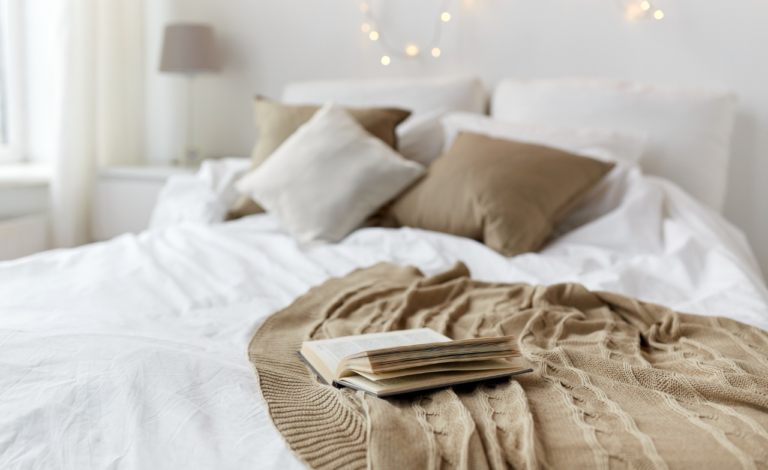
Layering is an easy way to make a bed look inviting. You could combine a duvet with a lightweight quilt, add a blanket across the bottom and introduce one or two cushions in complementary colours.
You do not need an enormous collection of decorative pillows. In a small bedroom, too many cushions can become inconvenient because they need to be removed every night and stored somewhere during the day.
Instead, choose a few pieces that add texture and colour without making the bed difficult to use.
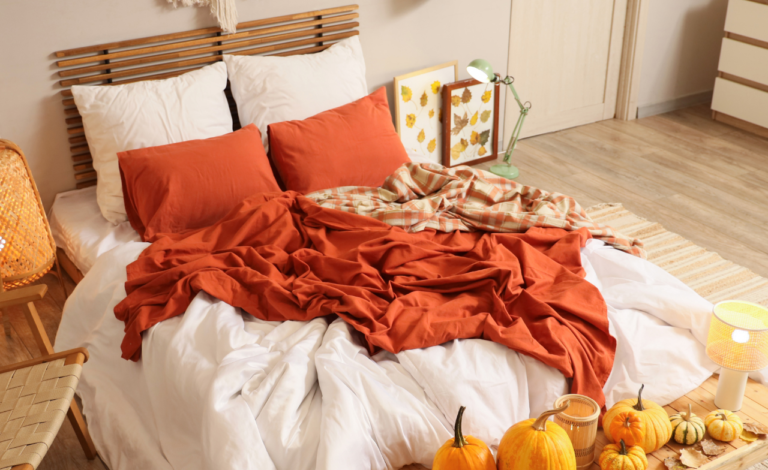
Neutral bedding in cream, white, beige or soft grey can create a calm foundation. If you prefer more colour, consider muted green, dusty pink, terracotta or deep blue.
You can also change your bedding with the seasons. Lighter fabrics may feel more comfortable during warmer weather, while brushed cotton and an extra blanket can make the bed more inviting during autumn and winter.
Fresh bedding is one of the simplest ways to refresh a bedroom without buying new furniture or making any permanent changes.
2. Use Colour to Make the Room Feel Calm
Colour can have a considerable effect on how a small bedroom feels. If your room seems dark or cramped, you might want to consider a lighter colour scheme. However, this does not mean that every small bedroom needs to be painted white.
Soft cream, warm beige, pale green and muted blue can all create a relaxed atmosphere. The best choice depends on the natural light in your room, your existing furniture and the colours you enjoy living with.
If you have a north-facing bedroom that receives relatively little direct sunlight, warmer neutrals may help prevent the space from feeling too cold. In a bright room, cooler shades may look particularly fresh.
You can introduce colour through the walls, bedding, curtains, rugs and accessories. If you are renting and cannot paint, textiles and removable decorations offer plenty of opportunities to experiment.
A consistent colour palette can also help a small room feel less visually busy. Try choosing two or three main colours and repeating them in different places.
For example, cream bedding, natural wood furniture and muted green accessories can create a comfortable, understated look. Alternatively, white bedding, warm beige curtains and terracotta cushions can make the room feel warmer.
Dark colours are not necessarily off limits. A deep shade on one wall can create a cosy, cocoon-like effect, particularly when balanced with suitable lighting and lighter bedding.
The aim is not to follow a strict rule about which colours make a room look bigger. It is to create a space that feels comfortable and suits the light and proportions of your bedroom.
3. Make Lighting a Priority
Lighting is particularly important in a small bedroom because there may be limited space for lamps and other accessories.
A single bright ceiling light can make the room feel functional but not especially relaxing. Introducing softer lighting gives you more control over the atmosphere.
Bedside lamps are a popular choice, but they are not always practical when there is little room beside the bed. If your bedside tables are tiny, consider wall-mounted lights or suitable lamps attached to shelving. These can free up valuable surface space.
Always make sure any wall lights or fittings are installed safely and are suitable for the room.
If you have a dressing table or desk in your bedroom, a small task light can make the area more useful without needing to brighten the entire room.
Warm white bulbs can help create a relaxing atmosphere in the evening. If possible, choose lighting that allows you to adjust the brightness depending on whether you are reading, getting dressed or preparing for sleep.
Fairy lights may also appeal if you like a softer decorative touch. A simple string of warm lights can work around a suitable headboard or shelf, provided the lights are designed for that use and positioned safely.
Mirrors can help reflect existing light, too, particularly when placed where they can catch daylight from a window.
Think about how you use the bedroom at different times of day. Good lighting should make everyday tasks easier while allowing the room to feel calm when it is time to relax.
4. Make the Most of the Space Under Your Bed
When floor space is limited, the area underneath the bed can provide valuable storage.
Depending on the design of your bed, you may be able to use storage boxes, shallow containers or drawers to keep items organised and out of sight.
This is particularly useful for spare bedding, seasonal clothes, extra blankets and other belongings that you do not need every day.
Choose storage containers that fit comfortably beneath the bed and are easy to pull out when required. Labels can help you remember what is inside, especially if you store several different categories of items.
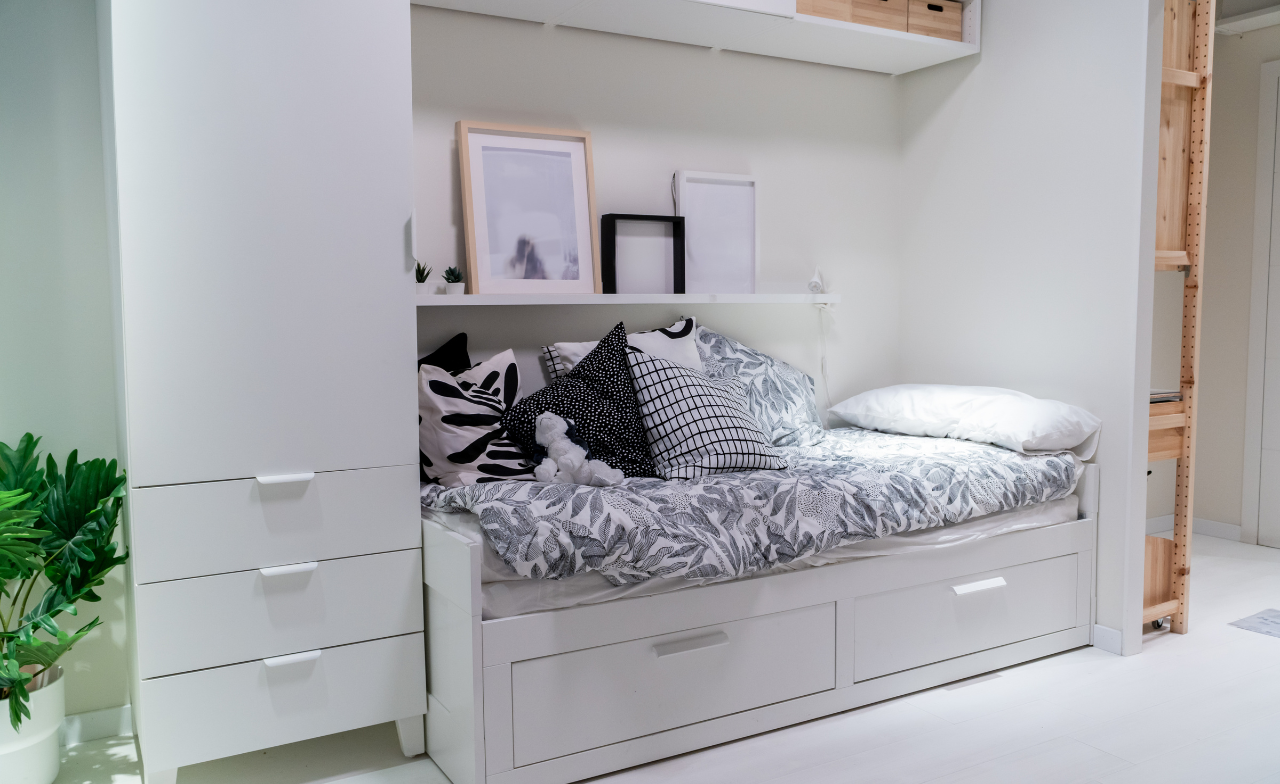
If you are buying a new bed, you might consider a divan with drawers or a frame designed to accommodate under-bed storage. However, you do not need to replace your existing furniture if it is working well.
Before filling the space, have a clear-out. Storing things you no longer use simply moves clutter out of sight rather than solving the problem.
It is also worth checking that the area remains reasonably clean and that stored items do not obstruct ventilation or interfere with the bed’s structure.
In a small bedroom, thoughtful storage can make a noticeable difference because it reduces the need for additional cupboards and bulky furniture.
5. Choose Bedside Tables That Suit the Space
Traditional bedside tables can be useful, but they are not essential if your bedroom is particularly small.
If a full-sized table leaves very little room to move around the bed, consider alternatives that take up less space.
A narrow bedside table may provide enough room for a lamp, phone and glass of water. A small wall-mounted shelf can offer a surface without occupying any floor space, while a compact stool may work if you only need somewhere to put a book.
You could also use a headboard with integrated shelving, provided it suits your bed and leaves enough room for comfortable movement.
Think carefully about what you actually need beside the bed. If you rarely use a large table, there is little benefit in sacrificing valuable floor space for one.
For a particularly compact room, a single bedside table on the side you use most may be more practical than squeezing in two.
Whatever option you choose, make sure the arrangement is stable and that any wall-mounted furniture is securely fitted.
The aim is to keep essential items within reach while allowing the bedroom to feel open and comfortable.
6. Use Mirrors to Reflect Light
Mirrors are a useful addition to small bedrooms because they can reflect daylight and help a room feel brighter.
A full-length mirror is particularly practical because it allows you to check your outfit without needing a separate dressing area. Depending on the layout, you might be able to position it on the back of a door, against a suitable wall or inside a wardrobe.
A mirror above a chest of drawers can also make a compact area feel more open while providing a useful place to get ready.
If you have limited wall space, think carefully about where the mirror will be most useful. A large mirror may help reflect light, but it should not obstruct movement or make the room feel visually busy.
Mirrors work best when they reflect something pleasant, such as a window, a light wall or an attractive part of the room. Positioning one directly opposite a cluttered area may simply draw attention to the mess.
You do not need to cover your walls with mirrors to make a difference. One thoughtfully placed mirror can be enough.
If you are renting, an appropriately secured over-door mirror may be a practical option, although you should check that the door can still open and close properly.
7. Keep the Floor as Clear as Possible
A clear floor can make a small bedroom feel more spacious and easier to move around.
This does not mean that you need to remove every rug, basket or decorative item. Instead, think about whether each object earns its place.
Shoes scattered around the bed, laundry piled on a chair and bags left in walkways can quickly make a small room feel crowded.
Simple storage solutions can help. A laundry basket in a suitable corner, hooks inside a wardrobe or a small organiser for everyday accessories may prevent belongings from accumulating on the floor.
If you enjoy having a rug beside the bed, choose one that fits the proportions of the room. A rug can make the space feel warmer and more comfortable, particularly if you have hard flooring, but it should not create a tripping hazard.
Furniture placement matters as well. Avoid blocking the natural route from the door to the bed or wardrobe wherever possible.
Before buying anything new, consider whether rearranging the furniture might improve the layout. Even moving a small chest of drawers can make a difference to how easily you can move around the room.
A bedroom does not need to be empty to feel spacious. It simply needs enough room for you to use it comfortably.
8. Use Vertical Space for Storage
When there is not much floor space available, looking upwards can reveal useful storage opportunities.
Shelves, wall hooks and tall, narrow furniture can help you make better use of the room without filling it with bulky items.
A shelf above a desk or dressing table can hold books, small storage boxes or a few decorative objects. Hooks may be useful for dressing gowns, bags or accessories, while a tall shelving unit can provide storage without taking up as much floor space as a wide cabinet.
However, it is important not to fill every available wall with shelves. Too many objects on display can make a small room feel busy.
Try combining open shelving with closed storage. You can keep everyday items in boxes or cupboards while displaying a few books, photographs or decorations that you particularly like.
If you install shelves above the bed, ensure that they are securely fixed and positioned so that objects cannot fall onto the sleeping area.
In a rented property, freestanding shelving or approved removable storage options may be more appropriate than drilling into walls.
Vertical storage is most effective when it solves a specific problem. Rather than adding shelves simply because you have an empty wall, think about what you need to store and where it would be most convenient.
9. Add Soft Textures for a Cosy Feel
Texture is one of the easiest ways to make a small bedroom feel warm and inviting.
If your room has plain walls, simple furniture and neutral bedding, introducing a few different materials can prevent it from feeling flat.
A knitted blanket, linen curtains, a soft rug or a textured cushion can add interest without taking up much room.
You might also consider natural materials such as wood, woven baskets and ceramic accessories. These can create a relaxed atmosphere, particularly when combined with soft fabrics and warm lighting.
The key is to avoid introducing too many competing textures. Choose a few that complement each other and repeat them throughout the room.
For example, you could combine cotton bedding, a chunky knit throw and a small woven basket. Alternatively, linen curtains, a wool rug and wooden bedside furniture can create a simple, comfortable look.
Texture can also be introduced through the walls. Wallpaper with a subtle pattern or a fabric headboard may add character, although these are larger changes than simply updating your bedding.
If you are working with a limited budget, start with what you already own. A blanket from another room, a cushion cover or a favourite rug might be all you need to refresh the space.
10. Make Your Wardrobe Work Harder
Wardrobes can take up a significant amount of room in a small bedroom, so it is worth making sure the space inside them is used efficiently.
Begin by reviewing what you own. Clothes that no longer fit, items you never wear and duplicates you do not need can take up valuable space.
You do not have to declutter your entire wardrobe in one afternoon. Start with one shelf, a drawer or a small section of hanging space.
Once you have reduced the amount of clothing you need to store, consider simple organising solutions. Drawer dividers can help keep smaller items together, while shelf organisers may make it easier to separate jumpers, accessories and folded clothes.
If your wardrobe has unused vertical space, an additional shelf or suitable organiser may help you store more without adding another piece of furniture.
You could also store out-of-season clothing elsewhere if you have a suitable, dry storage area.
Try to avoid buying lots of organising products before you know what you need. Sometimes, a good clear-out and a more thoughtful arrangement are enough.
A wardrobe that opens easily and allows you to find what you need can make your bedroom feel calmer, even if the room itself is very small.
11. Choose Curtains Carefully
Curtains can make a bedroom feel softer and more finished, but the wrong choice may make a small space feel heavier than necessary.
If your room receives limited daylight, lighter-coloured curtains may help maintain a bright appearance. Cream, soft beige and pale neutral shades are versatile options that work with many colour schemes.
However, blackout curtains can be particularly useful if you need a dark environment for sleeping. You can find blackout curtains in lighter colours, so you do not necessarily have to choose between darkness at night and a bright-looking room during the day.
Where the layout allows, positioning the curtain rail above the window frame and allowing the curtains to fall neatly can create a pleasing visual effect. Make sure the arrangement is appropriate for the window and does not interfere with opening it.
If there is very little room beside the window, a simple blind may be more practical than full-length curtains.
Think about the fabric, too. Lightweight materials can create an airy appearance, while heavier fabrics may add warmth during colder months.
Your choice should reflect the needs of the room, including privacy, light control and comfort.
12. Create a Small Space for Reading or Relaxing
Even if your bedroom is tiny, you may be able to create a small area dedicated to something you enjoy.
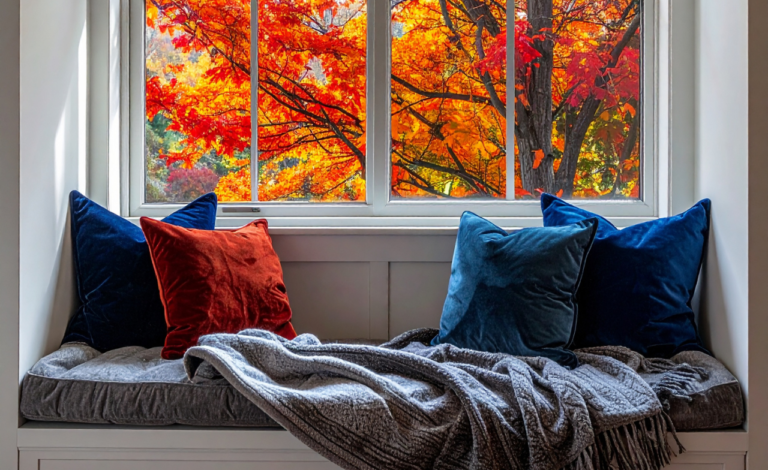
If you have room for a chair, position it near a window and add a lamp and a small table. This can create a comfortable reading corner without requiring a separate room.
If there is not enough space for a chair, your bed can serve as a place to read, listen to music or enjoy a quiet moment before sleep. A supportive pillow and a bedside light can make this more comfortable.
You might keep your current book on a shelf beside the bed or use a small basket to store magazines, knitting or another hobby.
The purpose is not to fill the room with more furniture. It is to make the space enjoyable to use.
A small bedroom can feel like a retreat when it contains a few things that encourage you to slow down. You might enjoy reading for twenty minutes, listening to a podcast or simply sitting quietly at the end of the day.
If the room is already full, focus on improving the comfort of the bed rather than trying to squeeze in another piece of furniture.
13. Introduce Personal Touches Without Creating Clutter
A bedroom should feel like your space, rather than a room copied directly from an interior design catalogue.
Photographs, artwork, favourite books and small meaningful objects can help create a sense of personality.
In a small bedroom, the trick is to be selective. Instead of covering every surface, choose a few things you particularly enjoy looking at.
A framed print above a chest of drawers, a photograph beside the bed or a small collection of books can add character without making the room feel crowded.
You might also display something connected to a favourite place, hobby or memory. These personal details can make the bedroom feel more comforting than generic decorations.
If you enjoy changing your decor with the seasons, use a small number of accessories that are easy to swap. A different cushion cover, a vase of seasonal flowers or a new print can refresh the room without requiring additional storage for lots of decorations.
Remember that the bedroom should remain practical. Avoid placing objects where they interfere with opening drawers, accessing wardrobes or moving around the bed.
The best decorative choices are those that make you happy without creating extra work.
14. Make the Most of Natural Light
Natural light can help a small bedroom feel more pleasant during the day.
If your window is partly blocked by furniture or heavy curtains, consider whether a small adjustment might allow more light into the room.
Keep window sills relatively clear if you want to maximise the daylight entering the space. A small plant or decorative object may be lovely, but there is no need to fill every available surface.
Mirrors can also help distribute existing light, particularly when positioned thoughtfully.
If you have a dark bedroom, use artificial lighting to supplement daylight rather than expecting one mirror or a pale paint colour to solve every problem.
It is worth considering how you use the room during the day, too. Opening the curtains in the morning and allowing fresh air into the room when the weather permits can make the space feel brighter and fresher.
If you work from your bedroom, position your desk so that you can benefit from available daylight without creating uncomfortable glare on a computer screen.
Natural light is not always something you can control, especially in a rented property or a room with a small window. Focus on making the most of what you have rather than worrying about features you cannot change.
15. Make Your Small Bedroom Easy to Keep Tidy
A cosy bedroom is much easier to enjoy when it does not feel as though you are constantly fighting clutter.
Rather than attempting a major clean every weekend, establish a few small habits that keep the room manageable.
Make the bed in the morning if you find it helps the room feel more settled. Put dirty clothes in the laundry basket, return items to their usual places and clear the bedside table when necessary.
You could spend five or ten minutes each evening preparing the room for the next day. This might involve putting away clothes, moving a cup to the kitchen and choosing the book you want to read before bed.
Storage should be easy to use. If putting something away requires moving several other items first, you are less likely to do it regularly.
Keep frequently used belongings accessible and store occasional items elsewhere. You may also want to review the room every few months to see whether anything can be removed or reorganised.
However, do not turn tidiness into another source of pressure. Your bedroom is a lived-in space, and it will not look perfect every day.
The aim is to make it comfortable enough that you can relax without feeling surrounded by unfinished tasks.
Final Thoughts: Creating a Cosy Small Bedroom
You do not need a large bedroom to create a comfortable and inviting place to rest. The most effective cosy small bedroom ideas are often practical rather than complicated.
Start with the basics: comfortable bedding, suitable lighting and a layout that allows you to move around easily. Then consider where storage could be improved, whether a mirror would help reflect daylight and which soft furnishings would make the room feel warmer.
You can introduce colour and texture through blankets, cushions, curtains and accessories, while personal touches make the space feel like your own.
Most importantly, resist the temptation to fill every corner. A small bedroom does not need more furniture or decorations simply because it has limited space. Sometimes, removing a few unnecessary items is the best way to make it feel more comfortable.
Choose changes that suit your budget and your daily routine. You can refresh the bedding one month, improve the lighting another month and gradually make the room more enjoyable to use.
Ultimately, your bedroom should be somewhere you look forward to returning to at the end of the day. With a little thought and a few simple changes, even the smallest room can become a cosy retreat.