15 Simple Ways to Make Your Home Feel More Inviting
There is a difference between a house that looks good in photographs and a home that makes you want to put the kettle on, settle into a comfortable chair and stay for a while. While beautiful interiors can be inspiring, it is often the small, everyday details that make a home feel genuinely welcoming.
Perhaps it is the warm glow of a lamp in the corner of the living room, a soft blanket folded over the sofa, fresh flowers on the kitchen table or the smell of something delicious coming from the oven. These details might seem insignificant individually, but together they can change the entire atmosphere of a space.
The good news is that learning how to make your home inviting does not require a large budget, expensive furniture or a complete redecoration. Whether you live in a small flat, a rented property or a busy family home, there are plenty of simple ways to make your surroundings feel more comfortable and welcoming.
Here are fifteen practical ideas to help you create a home that feels lovely to return to at the end of the day.
1. Use Lighting to Create a Warm Atmosphere
Lighting has a surprisingly powerful effect on how a room feels. Bright overhead lights are useful when you are cleaning, cooking or trying to find something you have misplaced, but they are not always the best choice when you want to relax.
One of the easiest welcoming home ideas is to introduce several smaller sources of light throughout your rooms. Table lamps, floor lamps and wall lights create softer pools of light that make a space feel more intimate.
In the living room, try placing a lamp beside the sofa or in a corner that feels a little dark. In the bedroom, bedside lamps can help create a calmer atmosphere in the evening. Even a small lamp on a hallway table can make coming home feel more pleasant.
Warm white bulbs are generally a good choice if you want a comfortable, relaxed atmosphere. You might also consider dimmable lighting, which allows you to adjust the brightness depending on what you are doing.
You do not need to buy several new lamps at once. Try moving the lights you already own into different positions and see how the room changes.
The aim is to make your home feel welcoming at different times of day, rather than relying on a single bright ceiling light for everything.
2. Make Your Entrance Feel Welcoming
Your entrance is the first part of your home you experience when you arrive, so it is worth giving it a little attention.
A hallway does not need to be large or beautifully decorated to make a good impression. It simply needs to feel clean, practical and inviting.
Start by removing anything that does not need to be there. Shoes, coats, shopping bags and post can quickly accumulate near the front door, making even a spacious hallway feel cluttered.
A basket for shoes, a few hooks for coats and a small tray for keys can help keep everyday essentials organised. If you have room for a narrow console table, it can provide a useful surface for a lamp, a small vase or a decorative bowl.
A mirror can make a small entrance feel brighter by reflecting available light. It is also practical when you are getting ready to leave the house.
If you have a front door that could use a little attention, cleaning it, polishing the handle or adding a simple seasonal wreath may be enough to refresh the space.
You do not need a grand entrance to create a welcoming home. A tidy hallway where you can easily find your keys and hang your coat is a very good place to start.
3. Add Soft Furnishings and Comfortable Textures
A room can look attractive but still feel uncomfortable if it lacks soft furnishings. Cushions, blankets, rugs and curtains help make spaces feel warmer and more inviting.
Consider how your rooms feel when you sit down. Is the sofa comfortable? Is there a blanket within reach on colder evenings? Does the bedroom feel pleasant when you climb into bed?
Adding a few carefully chosen textiles can make a noticeable difference.
A soft throw over the arm of a sofa creates a relaxed appearance while giving you something to wrap around yourself when the temperature drops. Cushions can add colour and texture, while a rug can make a room with hard flooring feel more comfortable.
You do not need to fill every surface with fabric. Too many cushions can make a sofa less practical, and heavy throws may not suit warmer months. Choose items that make sense for how you actually live.
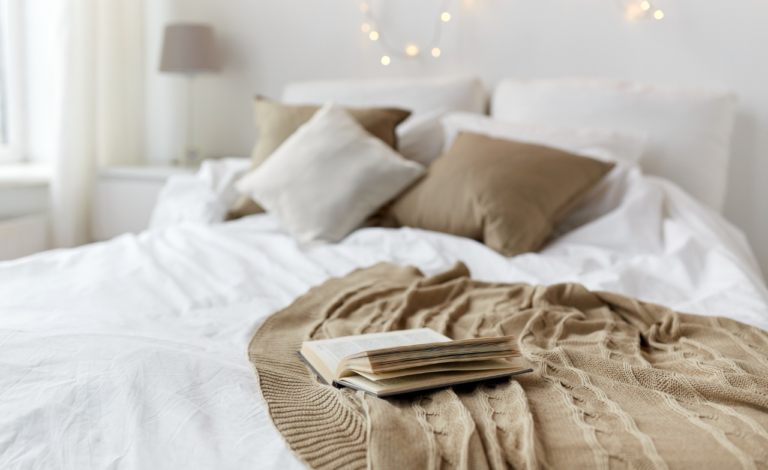
Texture is particularly useful if you prefer neutral interiors. Combining cotton, wool, linen, velvet or knitted fabrics adds depth without requiring lots of different colours.
The best soft furnishings are those you genuinely use. A well-loved blanket that everyone reaches for is often more valuable than an expensive decorative accessory that never leaves its carefully arranged position.
4. Keep Your Home Smelling Fresh
Scent can contribute to the atmosphere of a home, but a welcoming space does not need to smell strongly of perfume or scented candles.
Start with the basics. Regularly empty bins, clean kitchen surfaces, wash soft furnishings when needed and allow fresh air into your rooms whenever the weather permits.
Once your home is fresh and clean, you can introduce scents that you enjoy. Fresh flowers, a favourite candle, a reed diffuser or the smell of freshly brewed coffee can all contribute to a pleasant atmosphere.
You might prefer lighter scents in spring and summer, such as citrus or fresh linen, and warmer fragrances in autumn and winter, such as vanilla, cedar or cinnamon.
Baking is another lovely way to make your home smell inviting. A tray of biscuits, a loaf of banana bread or an apple crumble can fill the kitchen with a comforting aroma while giving you something delicious to enjoy.
However, remember that fragrance is personal. Strong scented products can be unpleasant for people with sensitivities, so it is often better to keep scents subtle.
If you have pets, take care when choosing essential oils and fragranced products, as some ingredients can be harmful to animals. Check that products are suitable for your household and follow the manufacturer’s safety advice.
A fresh-smelling home is ultimately about cleanliness and comfort rather than filling every room with fragrance.
5. Bring Nature Indoors
Natural elements can make a home feel calmer and more connected to the world outside.
Fresh flowers are an obvious choice, but there are plenty of other ways to introduce nature into your interior. A leafy houseplant, a vase of branches, a wooden bowl or a collection of natural textures can all add interest.
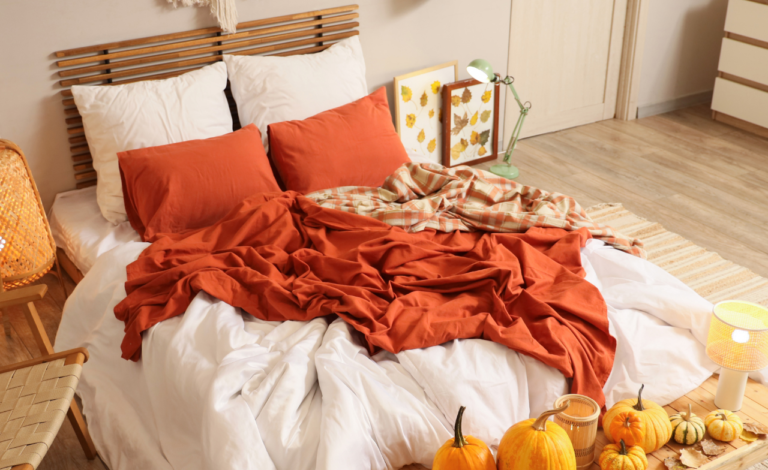
You do not need an expensive arrangement of flowers to make an impact. A few supermarket stems in a favourite vase can brighten a dining table or windowsill. In autumn, seasonal foliage and small pumpkins can introduce colour, while spring might call for fresh greenery and lighter arrangements.
Houseplants are another option, although it is worth choosing varieties that suit your light levels and the amount of care you can realistically provide. If you have pets, check whether a plant is safe for them before bringing it home.
Natural materials also work well in home decor. Woven baskets, wooden accessories, linen curtains and ceramic pots can make a room feel less stark.
If you are working with a small budget, look around your home before shopping. A wooden bowl from the kitchen might work beautifully on a coffee table, or a plant could be moved from one room to another to refresh the space.
These small details help make a home feel personal rather than simply decorated.
6. Make Seating Areas Comfortable
A welcoming home should encourage people to sit down and relax. This sounds obvious, but it is easy to focus on how a room looks without considering how comfortable it actually is.
Think about where you and your family spend the most time. Is there enough seating in the living room? Can visitors find somewhere comfortable to sit? Is your favourite chair positioned somewhere you enjoy being?
If your living room feels awkward, try rearranging the furniture before buying anything new. Moving chairs slightly closer together can create a more sociable arrangement, while angling a chair towards a window may make a quiet corner more appealing.
Consider what people need when they sit down. A side table provides somewhere to put a drink, a nearby lamp makes reading easier, and a blanket adds comfort during colder weather.
If you have limited space, choose furniture that serves more than one purpose. A storage footstool, for example, can provide somewhere to rest your feet while keeping blankets out of sight.
You do not need to create a perfect showroom arrangement. Your seating should suit the way you live, whether that means family film nights, entertaining friends or enjoying a quiet cup of tea.
7. Use Colour to Make Rooms Feel Warmer
Colour can influence the overall feeling of a room, so it is worth thinking about the shades you use if your home feels a little cold or uninviting.
Warm neutrals, including cream, beige, soft brown and certain shades of taupe, can create a comfortable backdrop. Earthy colours such as terracotta, olive green and muted ochre can introduce depth without overwhelming a space.
However, there is no single colour scheme that works for every home. Some people find pale blue and soft grey relaxing, while others prefer rich colours and darker walls.
Rather than following a trend, consider which colours you enjoy living with.
If you do not want to repaint, introduce colour through accessories. Cushions, artwork, blankets, lampshades and flowers are relatively easy to change. You could also display a favourite collection of books or objects that bring colour into a room naturally.
Try to create a sense of connection between the colours in adjoining rooms. They do not all need to match, but a few repeated shades can help the home feel cohesive.
If you are unsure where to start, choose one colour you particularly like and introduce it in two or three small ways. You can always add more later if you enjoy the result.
8. Make Your Home Personal
A home feels more welcoming when it reflects the people who live there.
Interior magazines and social media can provide plenty of inspiration, but it is easy to become so concerned with creating a particular look that you forget to include the things that make your home yours.
Photographs, books, souvenirs, artwork and meaningful objects can all help tell your story.
Perhaps you have a framed photograph from a favourite holiday, a piece of artwork you bought on a day out or a collection of books that reflects your interests. Displaying these things can make a room feel more individual.
You do not need to cover every wall or surface. A small selection of objects that matter to you is often more effective than a room filled with accessories chosen purely for decoration.
Consider creating a gallery wall with photographs and prints, displaying favourite books on a shelf or placing a meaningful object on a side table.
If you share your home with other people, allow their interests and personalities to be reflected in the space, too.
A welcoming home is not one that looks exactly like somebody else’s. It is one where the people who live there feel comfortable and at ease.
9. Keep Clutter Under Control Without Obsessing Over Tidiness
Clutter can make a room feel less relaxing, particularly when everyday objects have nowhere to go. However, creating a welcoming home does not mean keeping every surface completely empty.
The key is to make it easier to put things away.
A basket beside the sofa can hold blankets, magazines or remote controls. Trays can group smaller items together on a coffee table, while hooks near the entrance can prevent coats and bags from ending up on chairs.
In the kitchen, keep the things you use regularly within easy reach and store less frequently used items elsewhere.
You may also find it helpful to introduce a short evening tidy. Spend ten minutes putting away stray objects, clearing the main surfaces and preparing the living room for the next day.
This can make your home feel more settled without turning cleaning into an exhausting daily project.
Remember that homes are meant to be lived in. A book left open on the coffee table, a knitting project beside your chair or children’s toys in the living room do not automatically make a home untidy.
The aim is to create a space that feels comfortable and manageable, not to maintain an unrealistic standard of perfection.
10. Make the Kitchen Feel Like the Heart of the Home
The kitchen is often one of the busiest rooms in a house. It is where meals are prepared, conversations happen and people gather while waiting for the kettle to boil.
A few small changes can make the kitchen feel more welcoming without requiring a renovation.
Start by keeping the main work surfaces reasonably clear so that the room remains practical. Then consider introducing a few details that make the space feel personal.
A bowl of fresh fruit, a small vase of flowers or a favourite mug displayed on an open shelf can add character. If you have room, a little tray with tea, coffee and everyday essentials can make preparing a drink feel easier.
Good lighting matters here as well. Work surfaces need enough light for cooking safely, but softer lighting can make the kitchen more pleasant during quieter moments.
If your kitchen table is used for meals, try keeping it relatively clear between uses. A simple centrepiece can look attractive without making it difficult to sit down and eat.
You might also introduce a small ritual, such as making a proper cup of tea in the afternoon or preparing a simple homemade treat at the weekend.
A welcoming kitchen does not need to be large or newly fitted. It simply needs to be clean, practical and comfortable to use.
11. Make Your Bedroom a Place to Unwind
Your bedroom should be somewhere you can relax at the end of the day, yet it can easily become a storage area for laundry, paperwork and everything that does not have a home elsewhere.
You do not need to redesign the room to make it more inviting. Start with the basics: comfortable bedding, suitable lighting and enough space to move around.
Freshly washed sheets can make the whole room feel better. Add a soft blanket if you like extra layers, and consider choosing bedding in colours that help you feel relaxed.
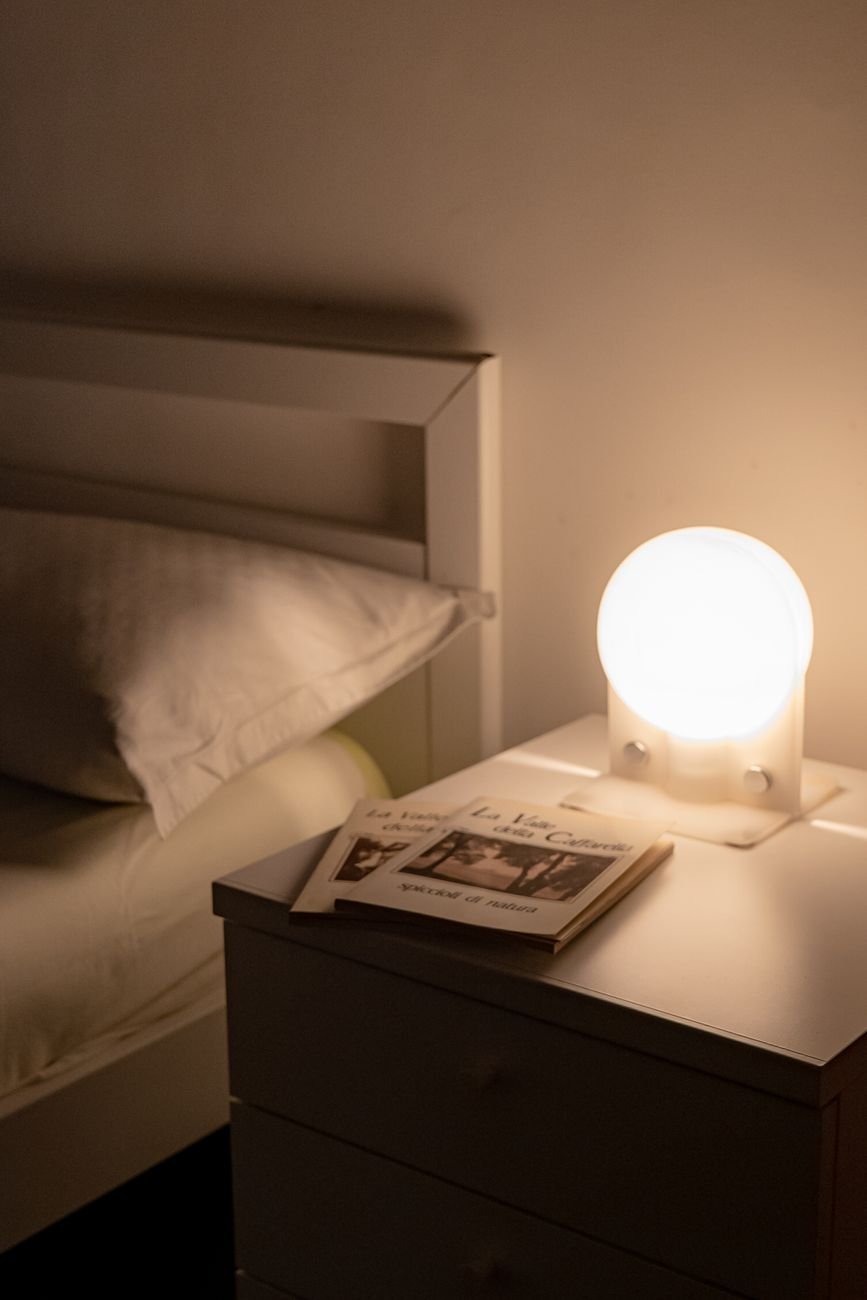
Try to keep the bedside table practical. A lamp, a book and somewhere to put a glass of water may be all you need.
If clothes tend to accumulate on a chair, introduce a laundry basket or make a little time to put things away. Small storage solutions can help prevent clutter from becoming overwhelming.
It is also worth thinking about the atmosphere before bed. Reducing bright lighting, putting your phone aside for a while and making time for reading can help create a more restful evening routine.
Your bedroom does not need to resemble a luxury hotel. It should reflect what makes you feel comfortable and help you enjoy the end of the day.
12. Add Small Details That Make Everyday Life Easier
Sometimes, the most inviting homes are not necessarily the most beautifully decorated. They are the ones where everyday life feels a little easier.
Think about the small frustrations you experience at home. Do you regularly misplace your keys? Is there nowhere convenient to put your bag when you arrive? Do you have to search several cupboards for a blanket or a book?
Finding simple solutions to these problems can improve how your home feels.
Place a bowl or tray near the entrance for keys. Keep a basket of blankets beside the sofa. Store the books you are currently reading somewhere accessible, rather than putting them away in a cupboard.
In the bathroom, a clean hand towel and a tidy surface can make the room feel more pleasant. In the living room, coasters within reach mean you do not have to search for them when you sit down with a drink.
These details might not be particularly exciting, but they make a home more comfortable to use.
A welcoming home should work for the people who live in it. Practicality and appearance are not opposites; the best spaces combine both.
13. Create a Pleasant Atmosphere in the Evening
The atmosphere of your home can change considerably throughout the day. In the morning, you might need bright lights and clear surfaces to help everyone get ready. In the evening, you may prefer a quieter environment.
Creating a simple evening routine can help mark the transition between the busy parts of the day and time to relax.
You could dim the lights, put away a few everyday items, make a hot drink and settle down with a book or favourite television programme.
If you enjoy fragrance, this might be the time to use a suitable scented candle or diffuser. Alternatively, the simple act of opening the curtains at dusk, switching on a lamp and drawing a blanket over your knees can make the evening feel more comfortable.
You could also make a habit of preparing the living room before bed so that it feels welcoming the following day.
There is no need to follow a complicated routine. Choose two or three small actions that help you relax and repeat them when it suits you.
The purpose is not to make every evening special. It is to create little moments of comfort within ordinary life.
14. Refresh Your Home with the Seasons
One way to keep your home feeling fresh and inviting is to make small changes throughout the year.
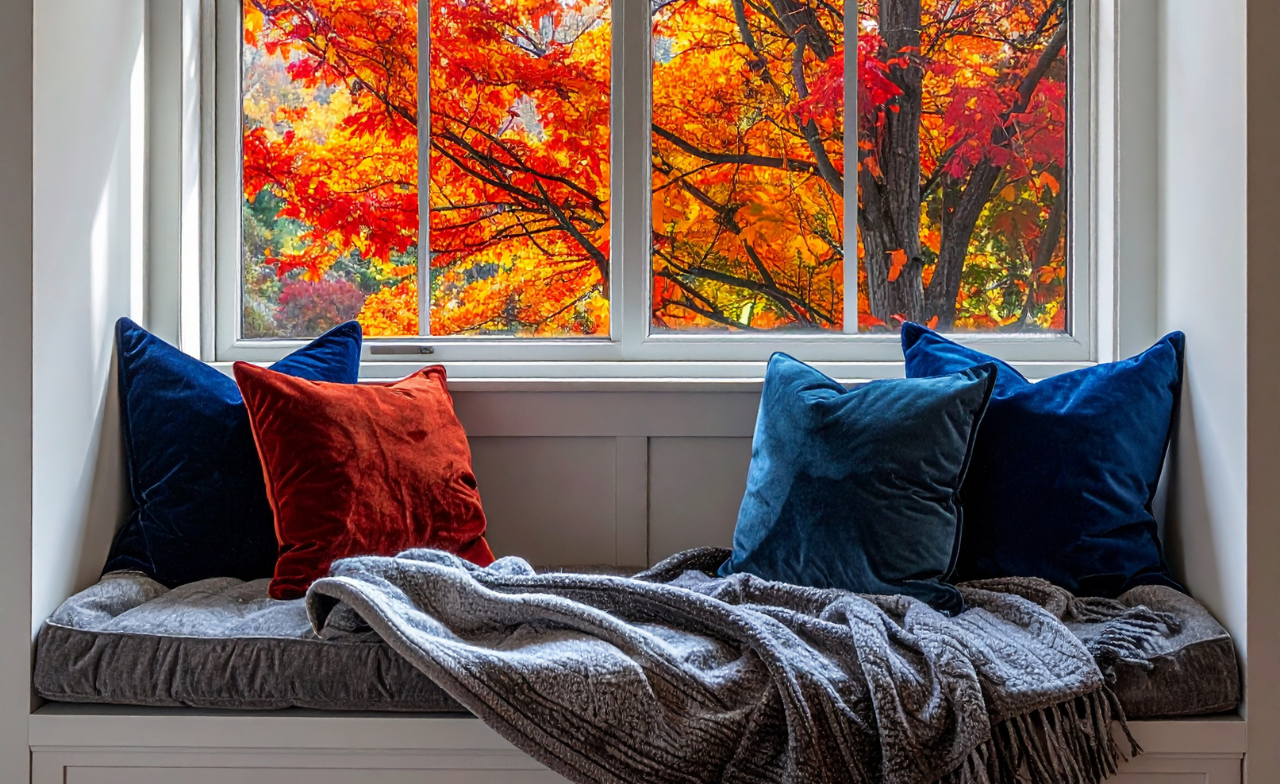
In spring, you might introduce fresh flowers, lighter fabrics and brighter colours. Summer could bring open windows, simple table decorations and natural textures. During autumn, blankets, warm lighting and seasonal foliage can make rooms feel cosier. In winter, you might focus on comfortable bedding, soft furnishings and festive touches.
Seasonal decorating does not have to involve buying new items every few months.
Keep a small collection of versatile decorations that you genuinely enjoy, and reuse them in different ways. A favourite vase can hold spring flowers, summer greenery or autumn branches. Neutral cushions can be paired with different throws depending on the season.
If you like seasonal accessories, consider storing them carefully so that they remain in good condition from one year to the next.
It is also worth remembering that not every room needs to change. A few small details in the living room or hallway may be enough to reflect the time of year.
The aim is to enjoy the seasons rather than create another task to complete.
15. Remember That a Welcoming Home Is About How It Feels
Perhaps the most important point is that an inviting home is not defined by a particular decorating style, colour palette or furniture budget.
Some people feel happiest in bright, modern rooms with very little decoration. Others prefer bookshelves, patterned fabrics, collections of meaningful objects and comfortable furniture that has been used for years.
Neither approach is inherently better. What matters is whether your surroundings suit you and the people who share your home.
It is easy to look at photographs of beautifully styled interiors and feel that your own home falls short. But photographs rarely show the everyday reality of living in a space.
They do not show the laundry waiting to be folded, the paperwork on the kitchen table or the blanket that everyone fights over on a cold evening.
A home can be lovely without being immaculate. It can be welcoming without being expensive. It can feel special because of the people in it, the memories it holds and the small routines that make everyday life more enjoyable.
If you want to make your home more inviting, start by noticing what you already like about it. Perhaps the afternoon light falls beautifully through the living room window, or there is a particular chair where you always feel comfortable.
Build on those things rather than trying to change everything at once.
Final Thoughts
Learning how to make your home inviting is less about buying the right accessories and more about creating an environment that feels comfortable, practical and personal.
Start with simple changes. Introduce softer lighting, bring out your favourite blankets, keep everyday clutter manageable and add a few natural or meaningful decorative touches. Make sure your seating is comfortable and that the rooms you use most often work for your daily routines.
You can do all of this gradually, without spending a fortune or following every interior trend.
Above all, give yourself permission to enjoy your home as it is. It does not have to be perfect to be a place you love returning to.
Sometimes, the most inviting home is simply one where the lights are warm, the kettle is on, your favourite things are within reach and you can finally sit down and relax.